Backflow Testing & Prevention in Longmont, CO
Colorado requires annual testing of backflow prevention assemblies on irrigation, fire suppression, and most commercial connections. We test and certify them correctly.
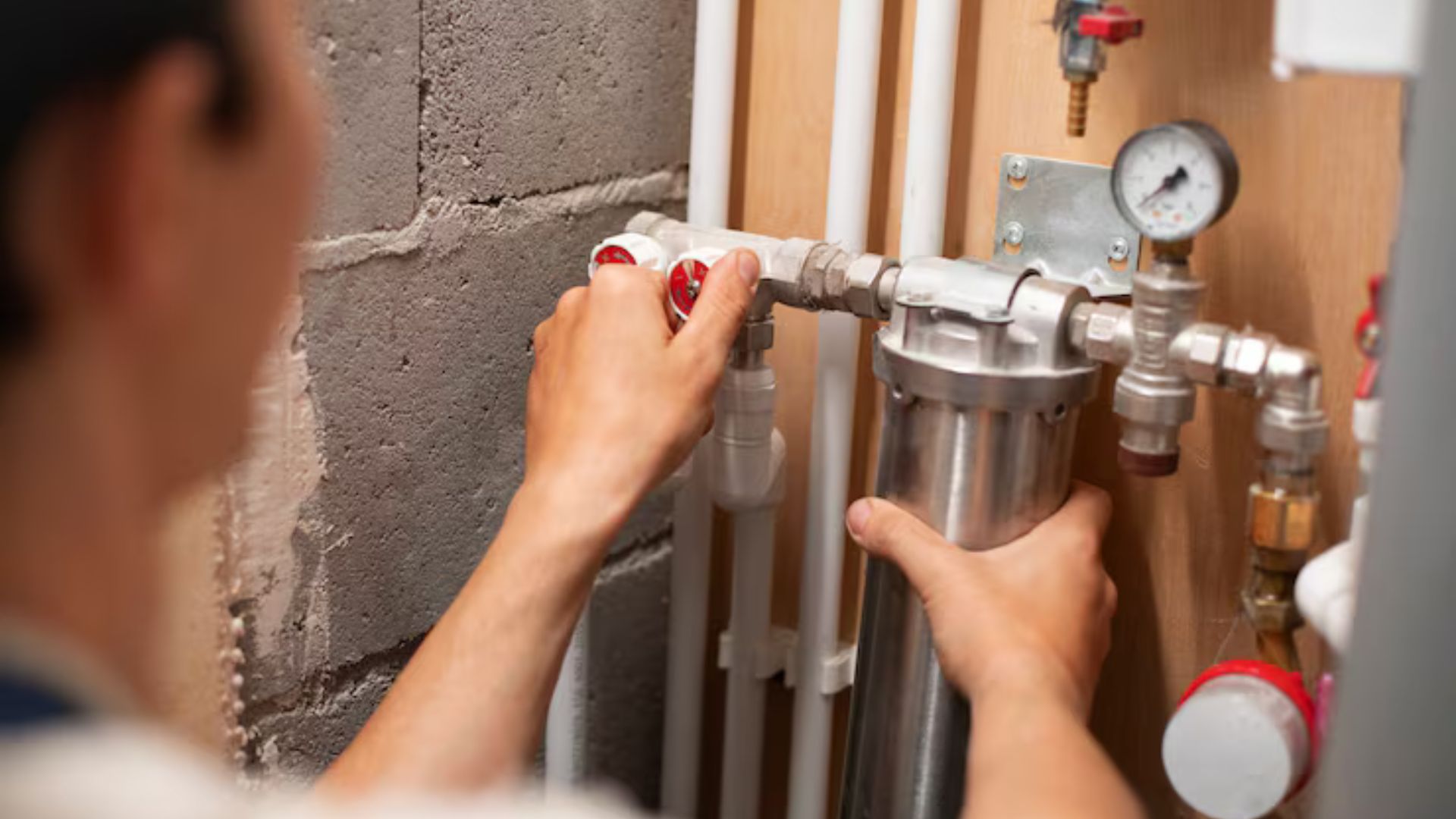
Backflow testing and prevention covers installing, testing, and certifying the assemblies that stop contaminated water from being drawn backward into the clean drinking water supply. This applies most commonly to irrigation systems, fire suppression lines, and commercial connections, and Colorado requires it be tested annually.
Most homeowners end up here because of a notice, not because they went looking for the service. A required annual test, a new irrigation system installation, or a home purchase inspection are the three most common reasons for this call.
Got a Notice That Your Backflow Device Needs Annual Testing?
Colorado's drinking water regulations require backflow prevention assemblies on irrigation systems, fire suppression lines, and most commercial connections to be tested annually by a certified tester. Property owners typically find out about this requirement through a compliance notice rather than general awareness of the rule itself. If that's what brought you here, testing and filing the required report is the direct next step.
When Backflow Testing or Installation Applies
- You've received a compliance notice requiring annual backflow assembly testing.
- You're installing a new irrigation or sprinkler system.
- You have a fire suppression system connected to the water supply.
- You're buying or selling a property with an existing backflow assembly that needs current documentation.
- You run a commercial property, which typically requires an installed and tested assembly regardless of irrigation.
Colorado's Backflow Requirements
Colorado's drinking water regulations require cross-connections, points where a private water system like an irrigation line connects to the public supply, to be controlled by a tested backflow prevention assembly. This is a real, state-level public health requirement, not a discretionary upsell, and it applies to irrigation, fire suppression, and most commercial and multi-family connections.
The required annual testing must be performed by a certified tester and reported, which is the part property owners are often less aware of than the initial installation requirement itself.
How Backflow Testing Works
Testing uses calibrated gauges connected to the assembly to confirm each internal check valve is holding correctly under test conditions, following the assembly manufacturer's and the state's required testing procedure.
A failed test means the assembly needs repair or replacement before it will pass, and the result, pass or fail, is documented on a report suitable for submission to satisfy the compliance requirement.
Service Options
- Annual testingThe standard, required service for an existing assembly, with a report provided for compliance.
- New assembly installationRequired when adding an irrigation system or other new cross-connection, sized and installed to code.
- Assembly repair or replacementNecessary when a test reveals the internal check valves aren't holding correctly.
What to Check Before You Call
- Locate your compliance notice or prior test report if you have one, since the deadline and assembly type both affect scheduling.
- Don't use an irrigation system or fire suppression connection you know has failed a prior test until it's repaired, since that's the actual cross-connection risk the requirement exists to prevent.
- Note the assembly's location, it's typically near where the irrigation or fire line enters the building, so it's ready to point out at the visit.
- If you're installing a new irrigation system, plan for the backflow assembly as part of that project from the start rather than as an add-on afterward.
What Backflow Service Costs
Pricing depends on whether the visit is a standard annual test, a new installation, or a repair following a failed test.
- Testing vs. installationAnnual testing on an existing assembly costs less than installing a new one.
- Assembly type and sizeLarger commercial assemblies and fire suppression connections vary in cost from a standard residential irrigation assembly.
- Repair needsA failed test that requires a repair or replacement adds to the base testing cost.
- Report filingDocumentation suitable for compliance submission is included with testing.
Free estimates for backflow assembly installation. Call (303) 552-3896 for your real number.
Frequently Asked Questions
Do I actually need to test my backflow preventer every year?
If your property has an irrigation system, fire suppression connection, or falls under Colorado's commercial requirements, yes, annual testing by a certified tester is a real state drinking water regulation.
What happens if my backflow assembly fails the test?
It needs repair or replacement before it will pass. We handle both as part of the same visit where possible.
Do I need a backflow preventer for a residential irrigation system?
Most residential irrigation systems require one, since they're a direct cross-connection to the drinking water supply.
Can you provide documentation for a compliance notice?
Yes, a test report suitable for submission is provided as part of the testing service.