
Emergency Water Heater Repair in Longmont, CO
A water heater rarely fails without warning. Longmont Apex Plumbing diagnoses the actual cause, gas or electric, tank or tankless, and repairs it the same day when possible.
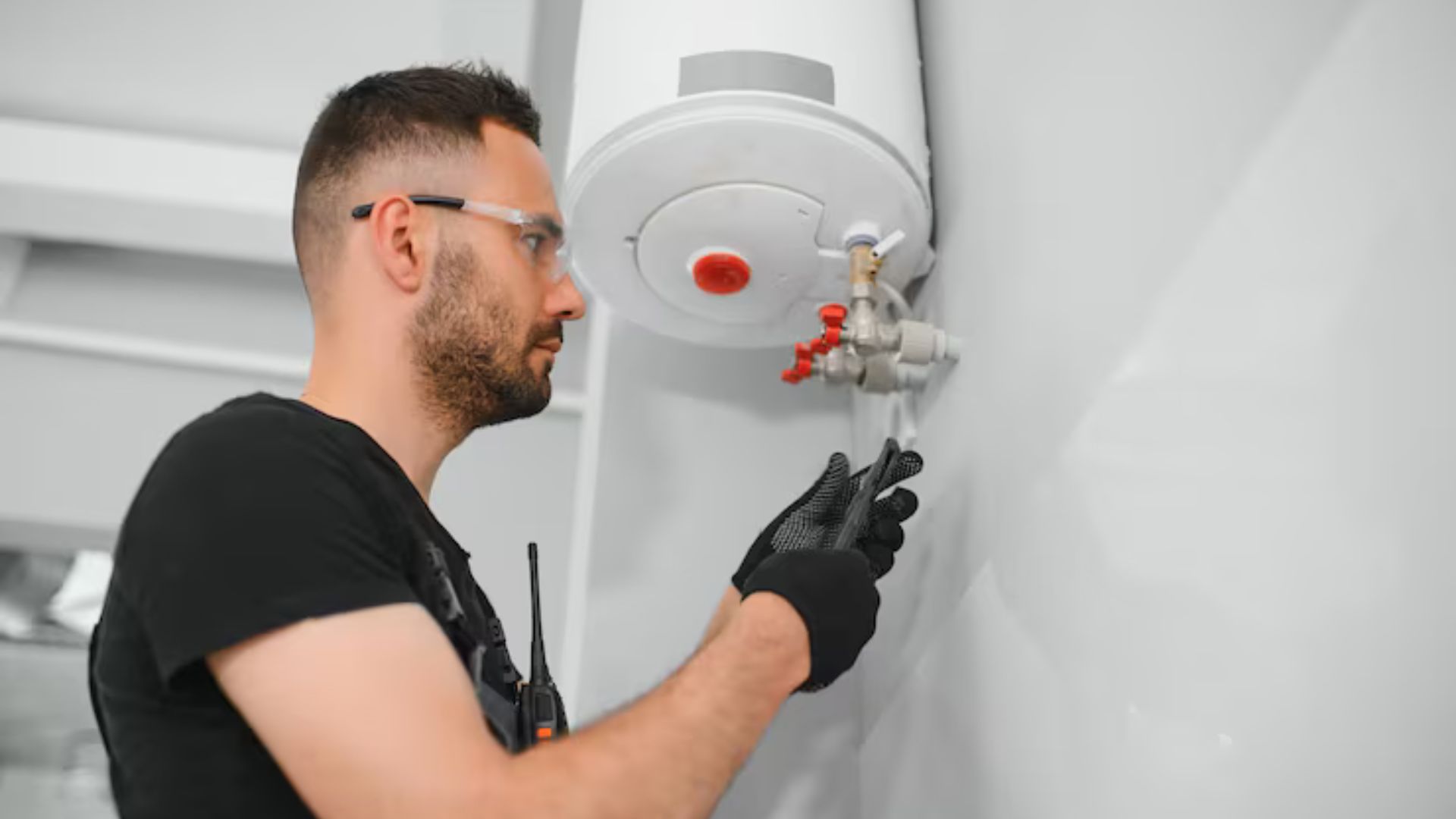
No hot water, water that's only lukewarm, a tank that's leaking, or a pilot light that won't stay lit are the calls that bring most Longmont homeowners to water heater repair. Each of those symptoms points to a different likely cause, and getting the diagnosis right the first time is what separates a real repair from a guess.
Emergency dispatch runs around the clock and covers water heater failures the same as any other plumbing emergency, since a full loss of hot water or an actively leaking tank both qualify as calls that shouldn't wait until Monday.
Common Water Heater Problems We Repair
- No hot water at all, or hot water that runs out much faster than it used to.
- Water that never gets hotter than lukewarm.
- Rust-colored water or a metallic smell from hot taps.
- A puddle or damp spot forming around the base of the tank.
- Popping or rumbling sounds from inside the tank when it heats.
- A gas pilot light that won't stay lit, or a burner that won't ignite.
Why Water Heaters Fail Early in Longmont
Two local factors show up repeatedly in Longmont water heater calls. The first is water hardness. Scale buildup inside a tank insulates the heating element or burner from the water, forcing the unit to run longer and hotter to reach the same temperature. That's a common cause of the popping and rumbling sounds homeowners hear, which is trapped water boiling under a layer of sediment, and it shortens the tank's working life over time.
The second factor is age relative to that same hardness. A tank water heater rated for roughly 8 to 12 years in a soft-water market often runs shorter in Longmont without a softener or annual flush. A unit that's approaching or past that range is a reasonable candidate to evaluate for replacement rather than repeated repair.
How We Diagnose a Water Heater Problem
Diagnosis starts with the fuel type. On a gas unit, that means checking the thermocouple or gas control valve, testing for proper pilot flame and burner ignition, and confirming venting is clear. On an electric unit, it means testing the upper and lower heating elements and thermostats with a multimeter to isolate which component has failed.
On any unit showing a leak, we check the tank itself, the temperature and pressure relief valve, and the supply and drain connections separately. A T&P valve leak is a different and usually cheaper fix than a cracked tank, and only one of those is actually repairable.
Repair or Replace?
- Component repairA failed thermostat, heating element, thermocouple, or gas control valve is usually a straightforward, same-visit repair on a tank that's otherwise sound.
- Anode rod replacementA sacrificial anode rod that's fully corroded lets rust and sediment build up faster. Replacing it is cheap and extends tank life if caught before real damage starts.
- Full replacementThe right call once the tank itself is leaking or visibly rusted through, since a leaking tank isn't a repairable part, it's the vessel itself.
What to Check Before You Call
- If the tank is actively leaking, shut off the cold water supply valve at the top of the unit, then the gas or electrical supply if you can do so safely.
- For a gas unit, if you smell gas near the water heater, leave the house and call from outside rather than investigating further yourself.
- Note the water heater's age and fuel type (gas or electric) before calling. That narrows down the likely cause well before a technician arrives.
- Don't attempt to relight a gas pilot repeatedly if it keeps going out. Repeated relighting without knowing why it's failing isn't a fix and can mask a thermocouple or gas valve problem.
What Water Heater Repair Costs
Repair cost depends mainly on which part failed and whether the unit is gas or electric.
- Fuel typeGas water heater repairs involve venting and combustion safety checks that electric repairs don't.
- Part neededA thermostat or thermocouple is a lower-cost repair than a gas control valve or a full element replacement.
- Tank ageAn older tank may reveal a second issue once the first is fixed, which is worth discussing honestly before committing to repair.
- AccessA unit in a tight closet or attic space takes longer to service than one with clear access.
Free estimates for non-emergency repairs, with pricing given up front before emergency work begins. Call (303) 552-3896 for your real number.
Frequently Asked Questions
How do I know if my water heater needs repair or replacement?
A single failed part on a tank under about 8 years old is usually worth repairing. A leaking tank, visible rust through the metal, or a unit already past its typical service life is usually worth replacing instead.
Why does my water heater make popping noises?
That's typically sediment or scale trapped at the bottom of the tank. As the burner or element heats the tank, water boils underneath that layer and the popping is steam escaping through it.
Do you repair both gas and electric water heaters?
Yes, both tank and tankless, gas and electric.
Do you respond to water heater emergencies at night or on weekends?
Yes, no-hot-water and leaking-tank calls are handled 24/7 in Longmont and the surrounding service area.