
Water Softener Installation & Repair in Longmont, CO
Longmont's documented hard water leaves scale on fixtures and shortens appliance life. A correctly sized softener, kept working, is the direct fix.
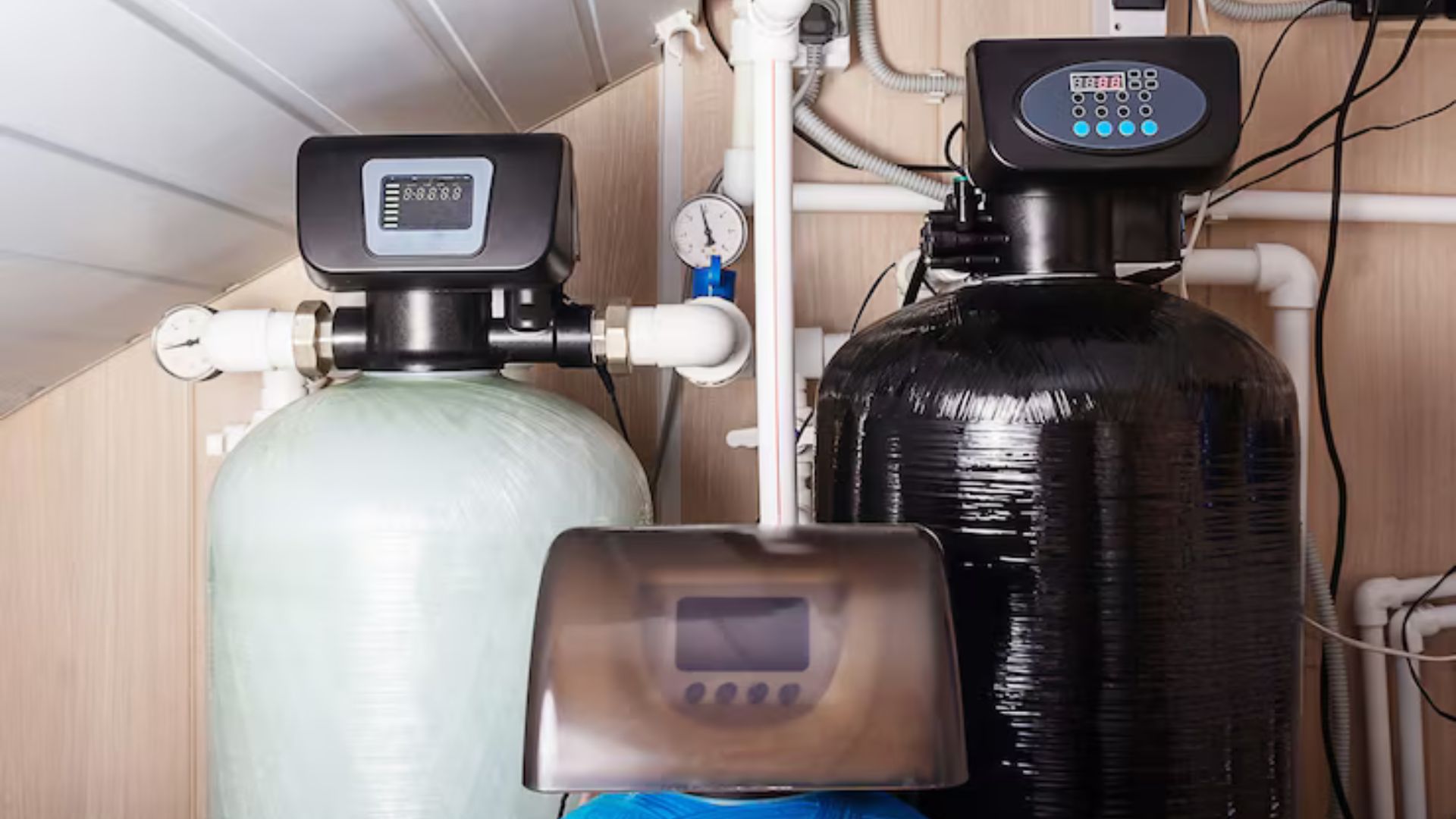
Water softener installation and repair covers sizing and installing a new system, and fixing an existing one that's stopped removing hardness from the water. Since Longmont's water is documented as hard, a softener here is doing real, continuous work rather than sitting as a nice-to-have.
A softener that's stopped working often isn't obvious right away, since the water still looks and runs normally. The signs tend to show up as soap and appliance behavior first, not the water itself.
Signs Your Water Softener Needs Attention
- Soap and shampoo don't lather well, even with plenty of product.
- Spots or a white film appear on dishes and glassware after the dishwasher runs.
- Skin feels dry or slightly filmy after showering.
- Visible salt bridging, a hard crust, in the brine tank instead of loose salt.
- A noticeable jump in scale buildup on faucets and showerheads.
Why a Softener Matters More in Longmont
Longmont's municipal water is documented as hard, carrying enough dissolved calcium and magnesium to leave scale on fixtures, inside pipes, and inside every water-using appliance in the house. A softener removes those minerals before the water reaches the rest of the plumbing system, which is the direct reason it earns its keep here specifically.
The most common reason a softener stops working isn't a mechanical failure at all. It's a salt bridge, a hardened crust that forms in the brine tank and prevents salt from dissolving into the water needed to regenerate the resin bed, which quietly stops the whole system from softening anything while looking fine from the outside.
How We Diagnose a Softener Problem
A water hardness test at the tap confirms whether the softener is actually working before anything is taken apart, since guessing from symptoms alone can point to the wrong component.
If the test confirms hard water is getting through, we check the brine tank for a salt bridge or salt mush first, since that's the most common and cheapest fix. From there, the control valve settings, the resin tank's condition, and the bypass valve position are checked in sequence.
Repair or Replace?
- Clear a salt bridgeOften restores full function immediately once the hardened crust in the brine tank is broken up and cleared.
- Control valve repairFixes a system that isn't regenerating on schedule or is cycling incorrectly.
- Resin bed replacementNeeded when the resin itself has fouled or worn out, which happens gradually over years of regeneration cycles.
- New system installationThe right call for a home with no softener yet, or a unit old enough that it's undersized for current household water use.
What Water Softener Service Costs
Repair and installation pricing depends on what's actually needed and the household's real water use.
- Repair vs. replaceClearing a salt bridge or fixing a valve costs far less than a full system replacement.
- System sizingA new installation is sized to household size and water use, which affects equipment cost.
- Existing plumbingA first-time installation may need additional bypass or drain line work that a straight swap doesn't.
- Salt delivery setupSome systems include features like a salt-level monitor that add to upfront cost but reduce maintenance visits.
Free estimates for water softener installation and repair. Call (303) 552-3896 for your real number.
Frequently Asked Questions
How do I know if my water softener has stopped working?
The clearest signs are soap not lathering well, spots on dishes after the dishwasher runs, and visible scale returning on fixtures. A water hardness test at the tap confirms it directly.
What is a salt bridge and how does it happen?
A salt bridge is a hardened crust that forms above the water level in the brine tank, usually from humidity or using the wrong salt type, and it stops salt from dissolving into the water needed to regenerate the softener.
Is a water softener worth it in Longmont?
Given the documented water hardness here, most households see real benefits: less scale on fixtures, longer appliance life, and less soap and detergent needed.
Do you install softeners on new construction or only replace existing ones?
Both. We size and install new systems as well as repair or replace existing ones.