
Water Filtration Installation in Longmont, CO
Filtration and softening solve different problems. If it's taste, odor, or what's actually in the water rather than hardness, filtration is the right system.
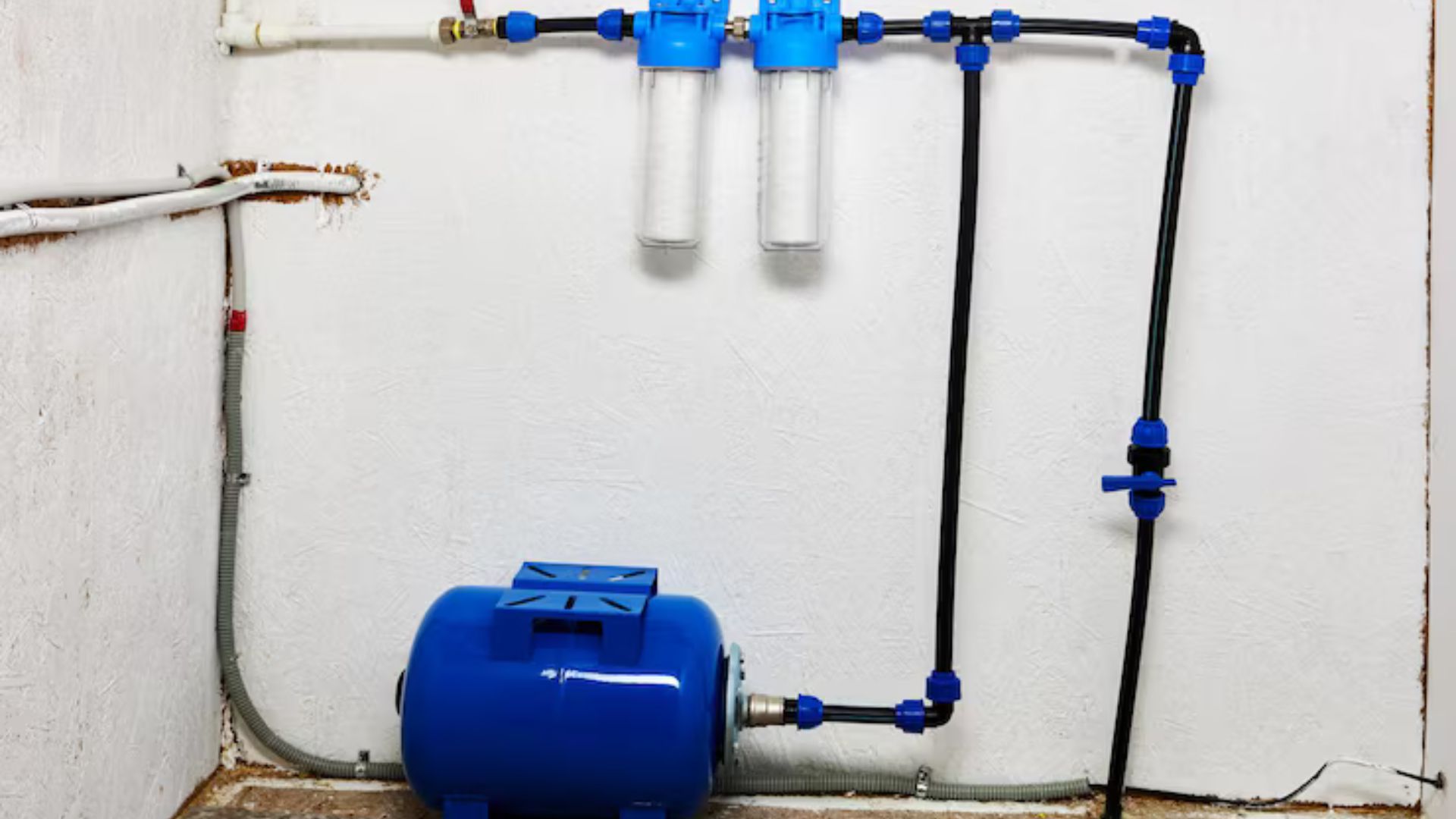
Water filtration installation covers systems that remove chlorine taste and odor, sediment, and other contaminants from drinking and household water, which is a different job than a water softener, which targets hardness minerals specifically. Some Longmont households benefit from both installed together, but they solve genuinely different problems.
Whole-home filtration treats water as it enters the house, while under-sink reverse osmosis targets just the drinking water tap. Which one makes sense depends on what's actually being solved.
Water Tastes or Smells Like Chlorine, or You're Just Not Sure What's in It?
A lot of these calls start with a taste or smell complaint rather than the word filtration: water that tastes like a swimming pool, a faint odor from the tap, or simple uncertainty about what's actually coming through an older home's service line. Whole-home or under-sink filtration is the direct answer to all three, once it's clear which one actually fits the concern.
Signs Filtration Is Worth Considering
- Water has a noticeable chlorine taste or smell straight from the tap.
- You're relying on bottled water for drinking because of taste concerns.
- The home has an original lead or galvanized service line and you want an added layer of protection.
- Sediment or slight cloudiness appears in a glass of water left to sit.
- You want cleaner-tasting water without adding sodium the way a softener does.
What Filtration Addresses in Longmont Homes
Chlorine taste and odor come from the municipal water treatment process itself and affect houses across Longmont regardless of a home's age or plumbing. A whole-home carbon filter removes that at the point the water enters the house, addressing every tap at once.
In Longmont's older neighborhoods where original lead or galvanized service lines are still common, filtration is a genuine added layer of protection worth discussing, on top of, not instead of, addressing the service line itself if it's confirmed to be lead.
How We Recommend a Filtration System
The starting point is understanding what's actually being solved: a taste and odor complaint points toward a whole-home carbon filter, while a specific concern about contaminants in drinking water specifically points toward under-sink reverse osmosis at the kitchen tap.
For a home with a known or suspected lead service line, we discuss real, honest options, including that filtration reduces exposure at the tap but doesn't replace the value of confirming and eventually addressing the line itself.
Which System Fits?
- Whole-home carbon filterTreats water at the point it enters the house, addressing chlorine taste and odor at every fixture.
- Under-sink reverse osmosisTargets just the drinking water tap for the highest level of filtration where it matters most for drinking and cooking.
- Sediment pre-filterWorth adding on an older service line to catch particulate before it reaches fixtures and appliances.
What Water Filtration Installation Costs
Cost depends on which system fits the actual concern and whether it's whole-home or point-of-use.
- System typeWhole-home carbon filtration and under-sink reverse osmosis differ meaningfully in equipment cost.
- Household water useA whole-home system is sized to the house's real water demand.
- Existing plumbing accessInstallation location and existing shutoff access affect labor time.
- Combined with softeningInstalling filtration alongside an existing or new softener is more efficient than two separate visits.
Free estimates for water filtration installation. Call (303) 552-3896 for your real number.
Frequently Asked Questions
Do I need a softener or a filter?
They solve different problems. A softener removes hardness minerals. A filter addresses taste, odor, sediment, and other contaminants. Some households benefit from both.
Will a filter remove lead from an old service line?
A properly selected filter can reduce lead at the point of use, but it doesn't replace confirming and addressing the service line itself if lead is suspected.
What's the difference between whole-home and under-sink filtration?
Whole-home treats water as it enters the house, covering every tap. Under-sink reverse osmosis targets just the drinking water tap for the highest level of filtration.
How often does a filtration system need maintenance?
Filter cartridges need periodic replacement, on a schedule that depends on the specific system and household water use.