
Leak Detection in Longmont, CO
Most leak calls start the same way: something is wrong, but nobody can see where. We find the source before any repair work starts, not after.
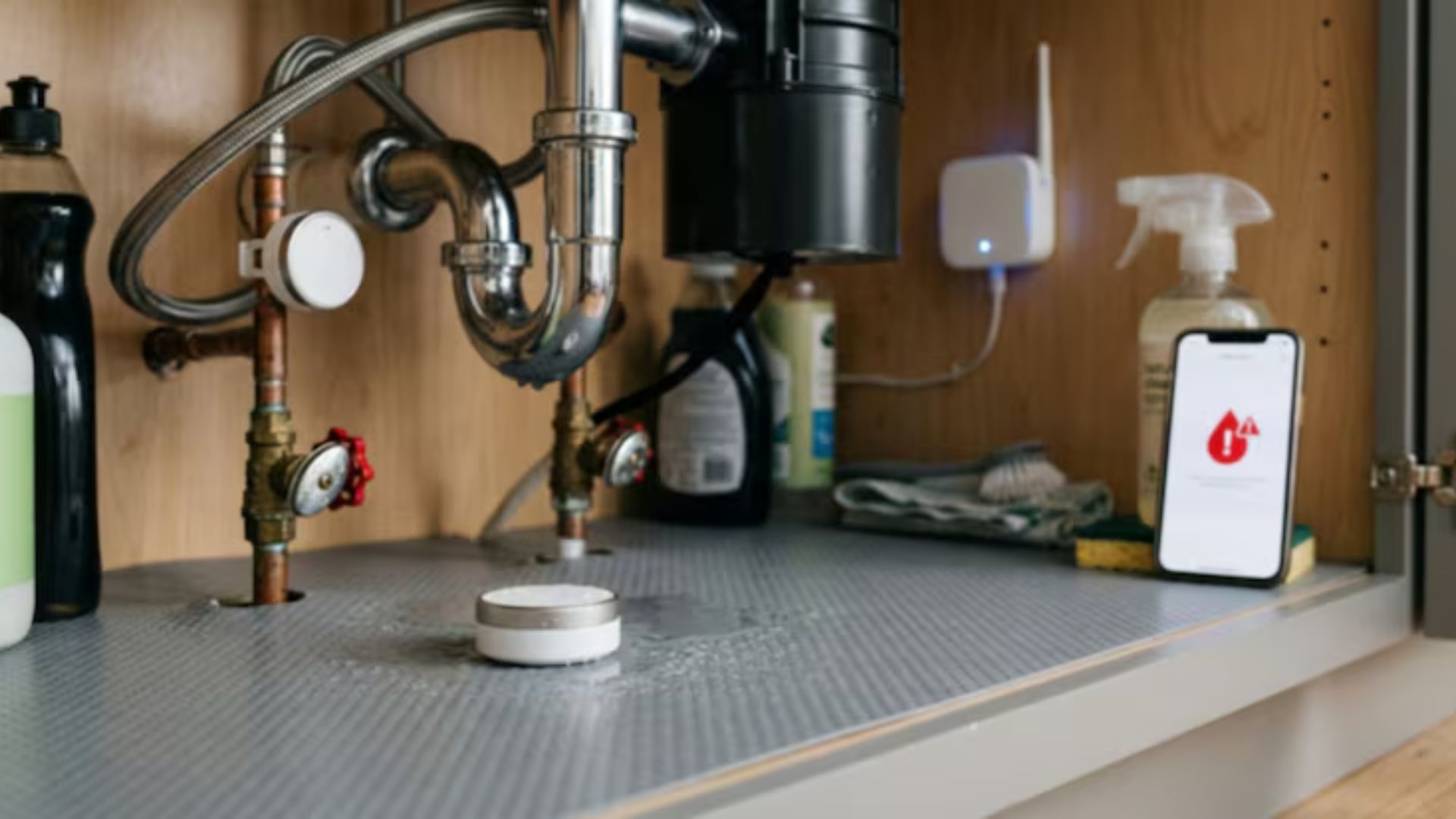
Leak detection covers finding a hidden water leak, whether that's inside a wall, under a slab, in a crawlspace, or along a buried service line, before deciding on a repair. A meaningful share of the calls this trade gets in Longmont are exactly this: water is going somewhere it shouldn't, and the homeowner has no way to see where.
Locating the leak accurately before opening anything up is what keeps a repair contained to the actual problem area instead of turning into exploratory demolition.
Water Bill Jumped, or You Hear Water Running With Everything Off?
A water bill that climbed with no obvious change in household usage, or the sound of water running somewhere in the house when every fixture is off, are two of the most common reasons Longmont homeowners call before they've ever used the phrase leak detection. Both point to a leak somewhere in the system that isn't visible yet, and both are worth investigating before the water bill keeps climbing or the leak causes structural damage.
Signs You May Have a Hidden Leak
- Your water bill increased noticeably with no obvious change in usage.
- You can hear running water when every fixture in the house is off.
- A warm spot on the floor, which can indicate a hot water line leak under a slab.
- A damp patch, discoloration, or musty smell on a wall or ceiling.
- The water meter dial keeps moving with every fixture in the house shut off.
Why Hidden Leaks Are Common in Longmont
Two Longmont-specific factors drive a lot of these calls. The first is pipe age and material: original lead or galvanized service lines in the city's older neighborhoods corrode from the inside over decades, and a pinhole leak in a corroded line can run for weeks before it's noticeable on the surface.
The second is expansive clay soil, common across the Front Range, which swells and shrinks seasonally and puts real, repeated stress on buried lines. That movement is a genuine contributor to slab leaks and buried service line leaks here, distinct from simple pipe age.
How We Find a Hidden Leak
Detection starts with isolating where the leak is likely to be: checking the water meter for movement with everything off narrows it down to somewhere between the meter and the house, or inside the house itself. From there, acoustic leak detection equipment listens for the distinct sound water makes escaping a pressurized line, even through concrete or drywall.
For a suspected slab leak specifically, thermal imaging can spot a warm line running under flooring, since a hot water line leak raises the surface temperature just enough to detect. Pressure testing isolated sections of the system confirms the finding before any cutting or digging starts.
Repair Options Once the Leak Is Located
- Spot repairThe right call for a single, isolated leak point in an otherwise sound line, patching just that section.
- RerouteSometimes cheaper and less disruptive than accessing a leak under a slab, running a new line through an accessible path instead of digging up the original.
- Full line replacementWorth it when the line is old galvanized pipe, since one leak usually means the rest of the line is at similar risk. Repairs are performed to meet the water supply system requirements in the International Plumbing Code, which Colorado's state plumbing board has adopted as the statewide minimum code.
What to Do Before We Arrive
- If the leak is visible and active, shut off the main water valve to stop it from getting worse.
- Note when you first noticed the sign, whether that's a sound, a wet spot, or a jump in the water bill. The timeline helps narrow down the likely location.
- Photograph any visible water damage before cleanup starts, in case it's relevant for an insurance claim.
- Avoid digging or cutting into drywall, flooring, or soil yourself to search for the leak. That risks turning a contained leak into a bigger repair and can obscure the acoustic signal we use to find it.
What Leak Detection Costs
Leak detection itself is priced differently than the repair that follows it, since locating the leak is diagnostic work, not repair work.
- Leak locationA leak behind an accessible wall is quicker to find than one under a slab or a buried line.
- Equipment neededAcoustic detection alone is often enough, but a suspected slab leak may need thermal imaging as well.
- Repair method chosenSpot repair, reroute, and full replacement carry different costs once the leak is found.
- AccessA finished basement or a mature landscape over a buried line adds time versus an open crawlspace.
Free estimates for non-emergency leak detection. Call (303) 552-3896 for your real number.
Frequently Asked Questions
How can you find a leak without cutting into walls or a slab?
Acoustic leak detection equipment and thermal imaging locate the leak from outside the wall or floor in most cases, so cutting is limited to the actual repair area once the leak is confirmed.
Is a slab leak always a plumbing repair?
The leaking pipe itself is a plumbing repair. If the leak has already caused water damage to flooring or drywall, that portion is a separate water damage restoration matter.
Why did my water bill go up with no other changes?
A hidden leak is one of the most common causes, especially a leak on the line between the meter and the house, which runs continuously even with every fixture off.
Do you offer emergency leak detection at night?
Yes, active or worsening leaks are treated as emergency calls 24/7 in Longmont and the surrounding service area.