
Repiping & Whole-Home Pipe Replacement in Longmont, CO
When the supply lines inside a home, not the service line outside it, are failing broadly, repiping replaces them with copper or PEX before the next leak shows up somewhere new.
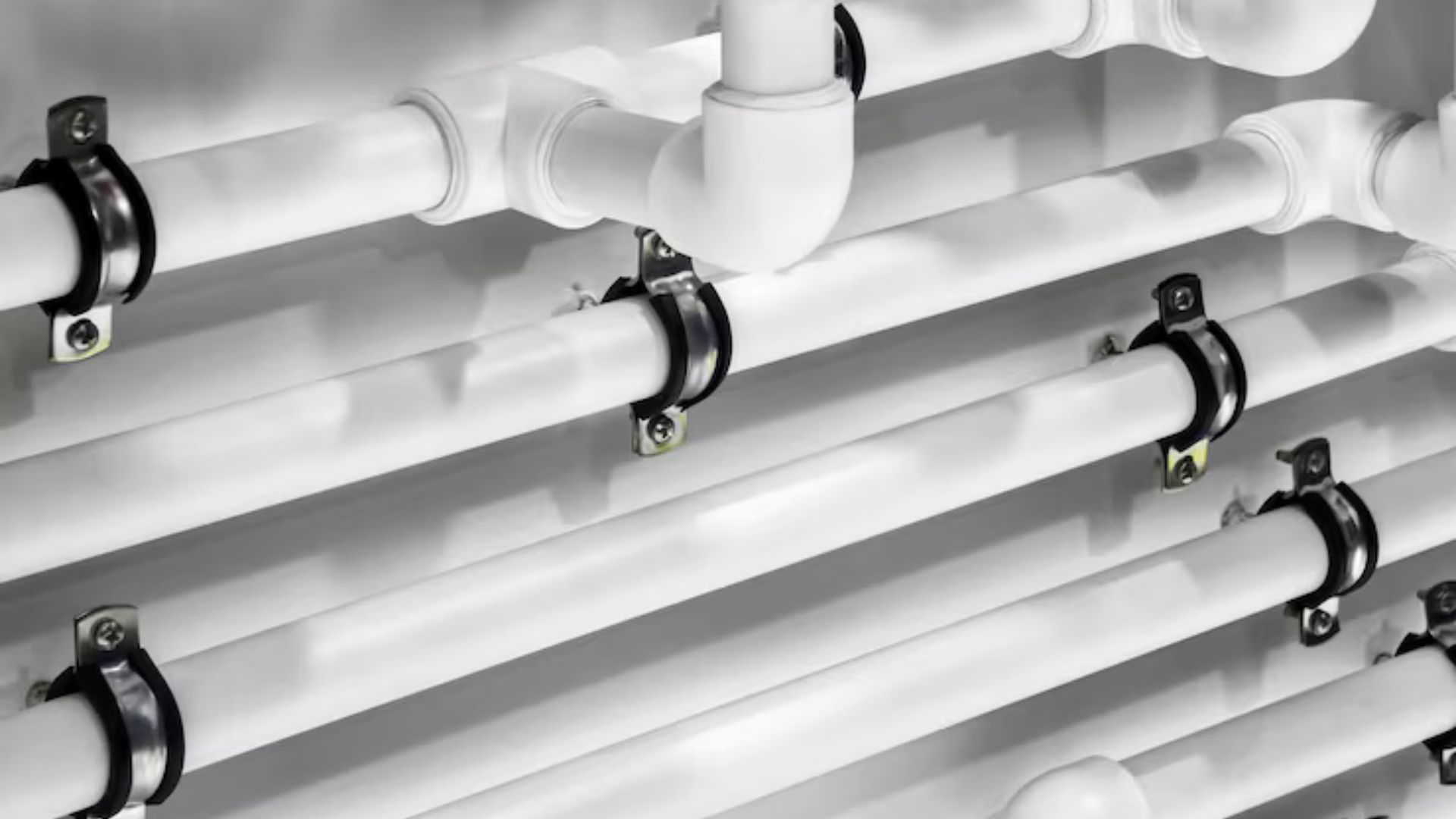
Repiping replaces a home's interior water supply lines, the pipes running through walls, floors, and ceilings to fixtures, rather than the service line that runs from the meter to the house, which is a separate job covered under water line repair and replacement.
The decision to repipe usually comes after a pattern becomes clear: not one leak, but several over time in different parts of the house, which points to the pipe material itself aging out rather than an isolated bad section.
More Than One Leak in Different Parts of the House?
A single pipe leak is a repair. A pattern of leaks in different rooms over months or years, or water that runs discolored throughout the house rather than at just one tap, is a different situation, and it's usually what brings someone to repiping without already knowing that's the term for it. Original galvanized supply lines corrode from the inside along their whole length, not just at one point, which is exactly why the leaks show up as a spreading pattern instead of a single fixable spot.
Signs a Home Needs Repiping
- More than one pipe leak has occurred in different areas within a year or two.
- Water runs discolored, rusty, or brownish throughout the house, not just after a repair.
- Water pressure has dropped noticeably across multiple fixtures over time.
- The home still has original galvanized supply lines and is decades old.
- Visible corrosion or pitting on any exposed sections of supply pipe.
Why Repiping Comes Up in Longmont
Longmont's older neighborhoods have real housing stock still running on original galvanized supply lines, and galvanized pipe corrodes from the inside over its full length, not at a single weak point. Once one section starts failing, the rest of the line is generally at similar risk.
Longmont's documented hard water accelerates that internal corrosion process, which is part of why homes here on original galvanized supply lines tend to show the spreading-leak pattern earlier than the same age home would in a soft-water market.
How We Evaluate Whether Repiping Is the Right Call
We check exposed sections of supply pipe where accessible, test water pressure at multiple fixtures, and review the pattern and history of any prior leaks, since a genuine spreading pattern looks different from a single unrelated repair.
Where the picture is more limited, cutting into one section to visually inspect pipe condition from the inside gives a direct answer rather than guessing from symptoms alone.
Full Repipe or Partial?
- Full repipeReplaces all interior supply lines with copper or PEX, the right call once the pattern of failures is genuinely widespread.
- Partial repipeReplaces just the worst-affected zone, such as one floor or wing of the house, when the rest of the system is still in reasonable condition.
- Copper vs. PEXBoth are real, durable options. PEX is generally faster and less invasive to install through existing walls, while copper is the traditional standard some homeowners specifically prefer.
What Repiping Costs
This is a larger project than most plumbing calls, and pricing reflects the scope involved.
- Full vs. partialA whole-home repipe costs more than replacing just the most affected section.
- Material choiceCopper and PEX differ in material cost and installation time.
- Wall and floor accessFinished walls and ceilings requiring patching afterward add cost beyond the pipe work itself.
- Fixture countMore bathrooms and water-using fixtures mean more supply line runs to replace.
Free estimates for repiping, based on an on-site evaluation. Call (303) 552-3896 for your real number.
Frequently Asked Questions
How do I know if I need a full repipe or just a repair?
One isolated leak is usually a repair. A pattern of multiple leaks in different areas, or discolored water throughout the house, points toward repiping the whole system instead.
Copper or PEX, which is better?
Both are durable, code-approved options. PEX is typically faster to install through existing walls with less disruption, while copper is the traditional material some homeowners prefer.
How long does a whole-home repipe take?
It varies with home size and material choice, but most residential repipes are completed within a few days, with wall patching sometimes following separately.
Will repiping require cutting into my walls?
Some access is generally needed, though the extent depends on the home's layout and the material chosen. We discuss the real scope honestly before starting.