
Slab Leak Detection & Repair in Longmont, CO
A leak under the slab needs a different diagnostic approach than a wall or ceiling leak. We confirm the exact spot before choosing tunnel, break-through, or reroute.
A slab leak is a leak in a water line running underneath a home's concrete foundation, which needs a different diagnostic approach and a different set of repair options than a leak in a wall or an overhead line. This page covers that specific situation, distinct from general leak detection elsewhere in the house.
The under-slab location is what makes this different: accessing the pipe means either tunneling beneath the slab, breaking through the concrete, or rerouting the line entirely through an accessible path instead, and choosing correctly starts with confirming the exact spot.
Warm Spot on the Floor, or a Sound of Water Under the Concrete?
A warm patch on an otherwise cool floor, usually over a hot water line, is one of the most common reasons someone ends up here before they've heard the term slab leak. So is the faint sound of running water audible through the concrete with everything shut off. Both are worth taking seriously, since water finding its way out from under a slab can affect flooring and, over time, the foundation itself.
Signs of a Slab Leak
- A warm spot on the floor, typically over a hot water line under the slab.
- The sound of running water audible through the floor with all fixtures off.
- An unexplained rise in the water bill.
- Cracks appearing in the flooring or a noticeable dip or unevenness in the slab.
- Damp carpet or flooring in an area with no other visible plumbing nearby.
Why Slab Leaks Happen in Longmont
Expansive clay soil across the Front Range, including Longmont, is the primary reason slab leaks happen here more than in a market with stable soil. The soil's seasonal swelling and shrinking shifts the slab itself very slightly over time, and a copper or galvanized line running beneath it takes that same repeated stress at its joints.
Older Longmont homes built with copper lines directly under the slab are the most common candidates, since decades of that ground movement combined with the pipe's own age is a real, compounding factor.
How We Locate a Slab Leak Precisely
Electronic listening equipment placed directly on the floor detects the specific acoustic signature of water escaping a pressurized line beneath the concrete, narrowing the location before any other step.
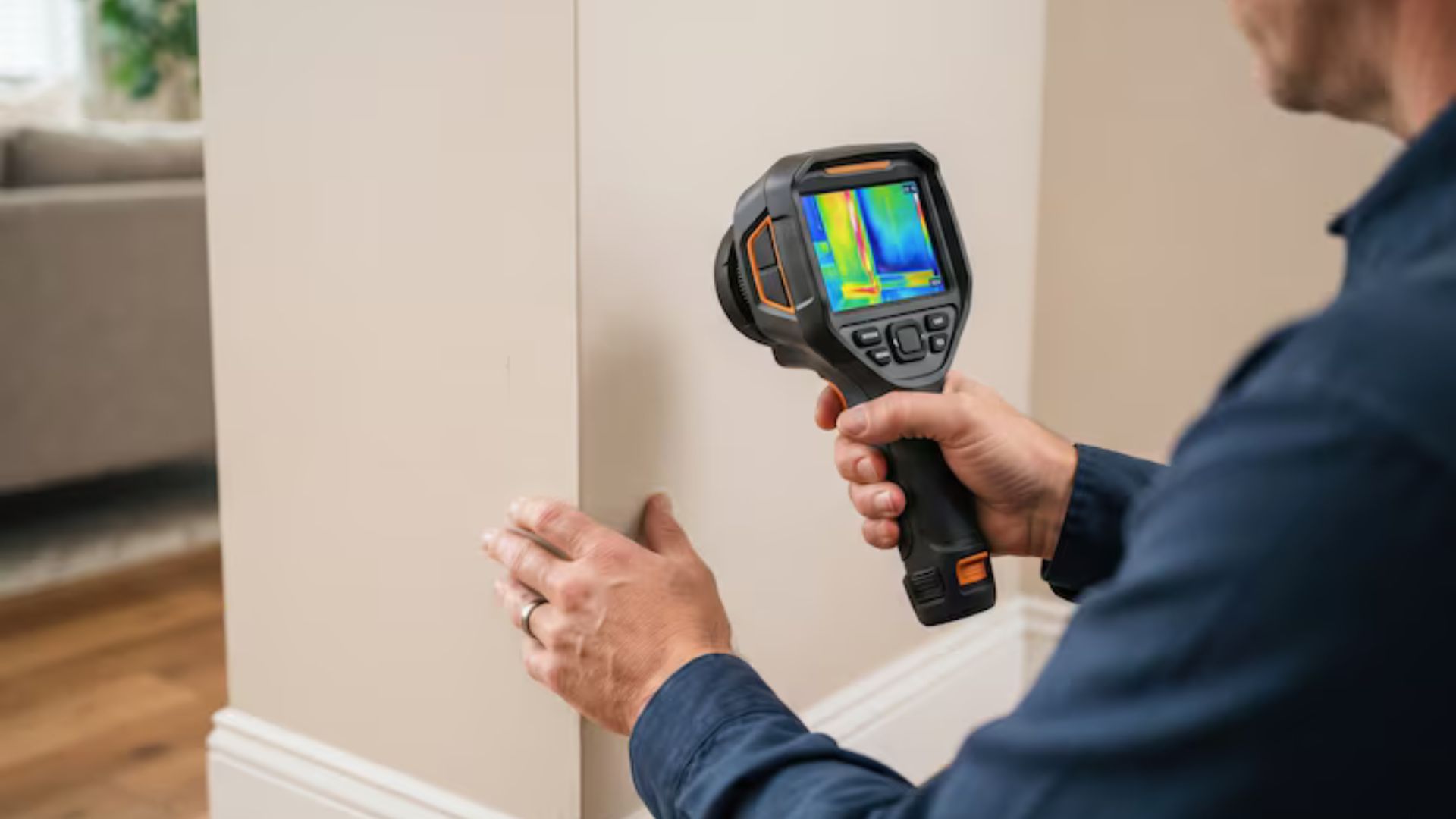
Thermal imaging adds a second confirmation for a hot water line leak specifically, since the escaping hot water raises the surface temperature just enough to detect, and pressure isolation testing confirms which line, hot or cold, is actually involved before deciding on a repair approach.
Access and Repair Options
- Tunnel accessDigs beneath the slab from an accessible exterior point to reach the leak without breaking through the floor itself.
- Break-through repairAccesses the leak directly through the slab when tunneling isn't practical, repairing the section and patching the concrete afterward.
- RerouteRuns a new line overhead through walls or the attic instead of repairing the under-slab section, often less disruptive than either slab access method.
What to Do Before We Arrive
- If water is visibly pooling on the floor near any electrical outlets or appliances, stay clear of that area and shut off power to it at the breaker.
- Avoid trying to locate the leak yourself by cutting into flooring. That risks masking the acoustic signal used to pinpoint it precisely.
- Note when you first noticed the warm spot, sound, or water bill change. That timeline helps narrow down the leak's likely age and severity.
- If the leak is under carpet or wood flooring, move furniture off the affected area to limit further damage while waiting for service.
What Slab Leak Repair Costs
Pricing depends heavily on which access method fits the situation, which is decided after the leak is precisely located.
- Access methodTunneling, breaking through the slab, and rerouting overhead carry meaningfully different costs and disruption.
- Leak location depthA leak farther from an accessible edge of the slab is more involved to reach.
- Flooring typeTile, hardwood, or carpet above the repair area affects restoration cost after the plumbing work.
- Line materialCopper and galvanized under-slab lines can differ in repair approach.
Free estimates for non-emergency slab leak evaluation. Call (303) 552-3896 for your real number.
Frequently Asked Questions
How is a slab leak different from a regular leak?
The location under the concrete foundation requires different detection equipment and different repair access methods, tunneling, breaking through the slab, or rerouting, than a wall or ceiling leak would.
Will you have to break through my floor?
Not always. Tunneling from an accessible exterior point or rerouting the line overhead can sometimes avoid breaking through the slab entirely, depending on the leak's exact location.
Is a slab leak urgent?
Yes, it's worth addressing promptly. Left alone, it can affect flooring and, over time, contribute to foundation issues.
Can a slab leak affect my foundation?
Prolonged, unaddressed water under a slab can contribute to soil movement issues beneath the foundation over time, which is part of why early detection matters.