
Frozen Pipes in Longmont: Before, During, and After a Hard Freeze
What to actually do at each stage, not just what to worry about.
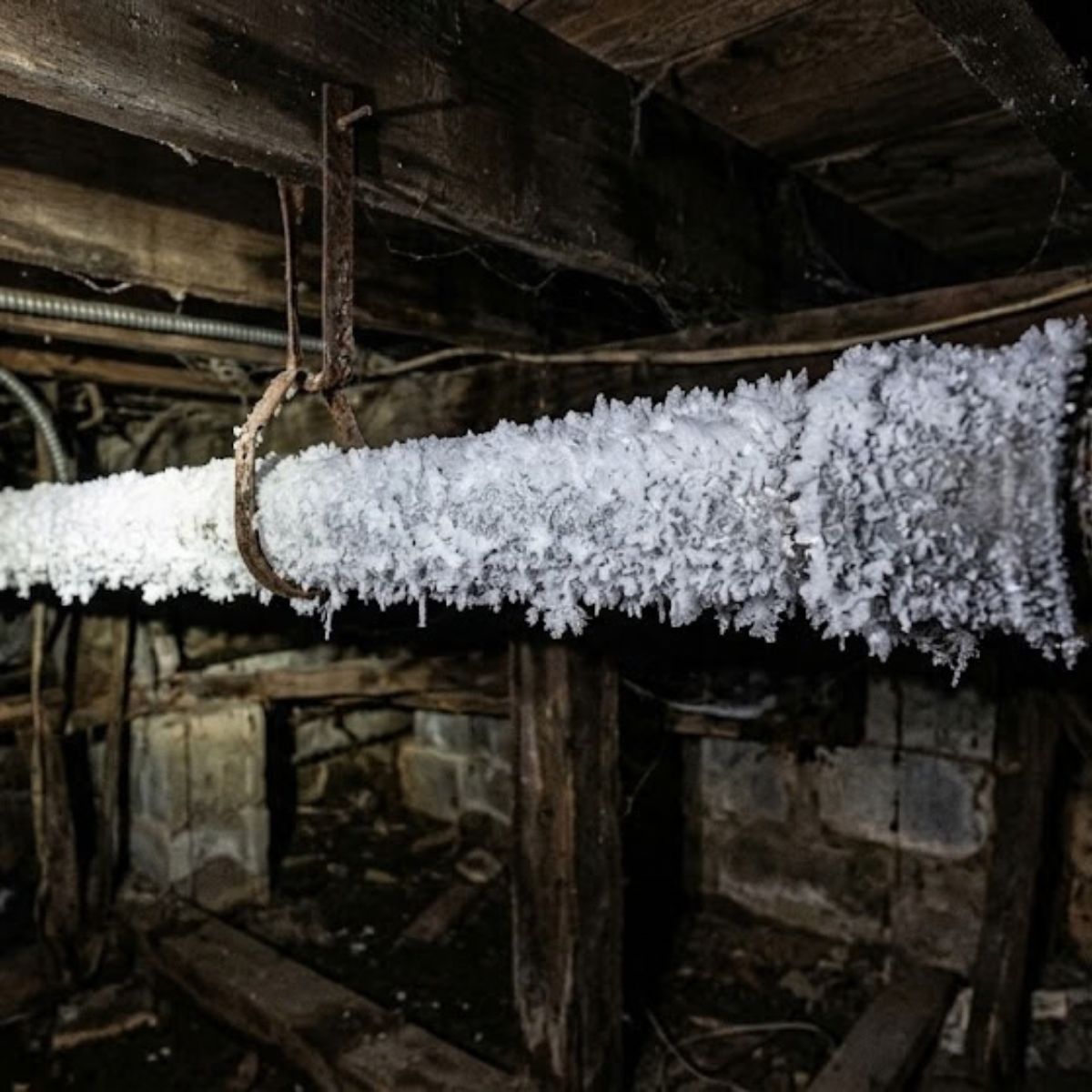
A hard freeze on the Front Range puts real, predictable stress on any exposed or poorly insulated pipe in a Longmont home. The good news is that most of the actual risk is manageable with a few concrete steps taken before the temperature drops, not expensive prevention work.
Before the Freeze: What Actually Helps
The pipes at real risk are the ones exposed to unheated space: crawlspaces, garages, attics, and any line running along an exterior wall, especially in a home built before current insulation standards became common.
- Disconnect and drain outdoor hoses, and shut off the water supply to exterior spigots if there's an interior shutoff valve for them.
- Open cabinet doors under sinks that sit against an exterior wall, letting warmer household air reach the pipes underneath.
- Let a faucet drip slightly on the coldest nights, on a line known to be exposed. Moving water resists freezing better than still water.
- Keep the thermostat at a consistent temperature overnight rather than lowering it significantly, even when you're not home.
- Seal any obvious gaps or drafts near where pipes enter the house from outside, such as around hose bibs or utility penetrations.
None of these steps require a plumber or any real expense, and together they address the majority of frozen pipe calls this trade sees during a genuinely hard cold snap.
During a Freeze: What a Frozen Pipe Actually Looks Like
The clearest sign is a single fixture with no water, or just a trickle, while other fixtures in the house work normally. That pattern points to a specific frozen section rather than a broader plumbing problem. Frost visible on an exposed section of pipe is another direct sign, as is a pipe that looks slightly swollen or bulging in one spot, which can mean ice has already formed and expanded inside.
What to Do If You Suspect a Frozen Pipe
- Leave the affected faucet open slightly. This relieves pressure as the ice begins to melt and gives you a clear sign once flow returns.
- Apply gentle heat to an accessible section, an electric heating pad or a hair dryer on a low setting, working from the faucet end toward the suspected blockage.
- Never use an open flame, a propane torch, or any high-heat, unattended source. This is a real fire risk against pipe insulation and nearby framing.
- If you can't locate the frozen section, or it's inside a wall or ceiling, that's the point to call rather than keep guessing.
After a Freeze: What to Check Once It Thaws
The moment a frozen section thaws is also the moment a hidden crack, caused by the pressure of ice expanding inside the pipe, will start leaking. This is why it's worth actively checking, not just assuming everything is fine once water starts flowing normally again.
- Check under sinks and around any exposed pipe that was affected for new dripping or dampness.
- Look for water stains on ceilings or walls near where the frozen line runs, since a slow leak behind drywall isn't always immediately visible.
- Keep an eye on the water meter over the next day. Continued movement with everything shut off suggests a leak somewhere in the system that wasn't obvious on inspection.
- If a pipe did crack, get it repaired promptly rather than living with a temporary fix, since a repeat freeze on an already-damaged section is a much bigger problem.
Why Some Longmont Homes Are More at Risk Than Others
Older homes built before current insulation codes, particularly those with plumbing routed along exterior walls rather than interior walls, are genuinely more exposed to this than newer construction. If a specific pipe has frozen once, it's a real signal that it's likely to freeze again under similar conditions unless it's insulated or rerouted, not a one-time fluke to shrug off.
Where to Actually Look in Your Own Home
A room-by-room mental walkthrough helps identify real risk points before a cold snap hits, rather than trying to remember them in the moment.
- Kitchen and bathroom sinks on an exterior wall, especially in a corner where two exterior walls meet.
- Any pipe running through an unheated garage, including the line to an outdoor spigot or a garage utility sink.
- Crawlspace access points and the pipes nearest them, which are often the least insulated section of the whole system.
- Attic lines, if the home has any plumbing run through attic space rather than conditioned floors.
- Hose bibs and their interior shutoff valves, which are a common source of both frozen and burst pipe calls even in homes that never think of these as a risk area.
If you've never actually checked which category your home's pipes fall into, doing a single walkthrough before the season's first hard freeze is worth more than reacting after the fact.
It's also worth checking these same spots again after any renovation or remodel work, since a wall opened up for an unrelated project sometimes reveals a pipe that was originally interior but is now closer to an exterior opening or a newly uninsulated section.
Pipe already frozen, or already cracked?
We locate and thaw a frozen line safely, or repair a burst section, 24/7.
Frequently Asked Questions
How long does it take for a pipe to freeze?
It depends on exposure and how cold it gets, but a genuinely exposed line can freeze within several hours of sustained hard-freeze temperatures.
Can I use my hair dryer to thaw a pipe safely?
On a low setting, applied gently and moved along the pipe rather than held in one spot, many homeowners do this safely. Never use an open flame.
Should I leave my heat on if I'm traveling in winter?
Yes, keep it at a consistent, reasonable temperature rather than turning it off entirely, since an unheated house during a hard freeze puts every exposed line at real risk.