
Gas Line Safety for Outdoor Kitchens and Fire Pits: What Front Range Homeowners Should Know
Outdoor living additions are genuinely growing here. The gas line work behind them isn't a place to cut corners.
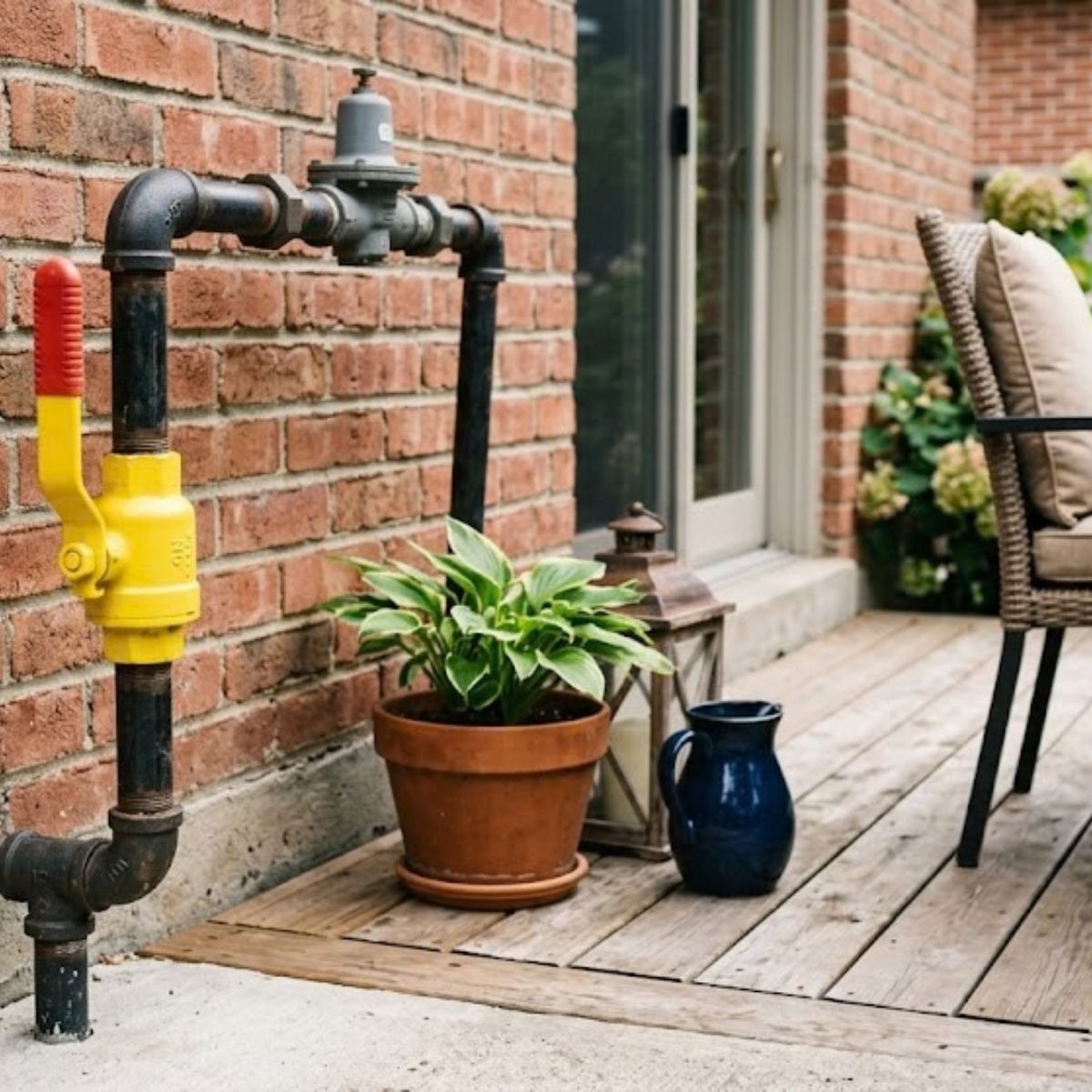
Outdoor kitchens, fire pits, and patio heaters have become a real, common addition to Front Range homes, taking advantage of the region's long outdoor season. Each of these needs a properly sized, correctly installed gas line, and this is genuinely one area where a shortcut carries real safety consequences.
Why This Isn't a Simple Add-On
Adding a gas appliance outdoors isn't just running a line to a new location. It requires calculating the added gas load and confirming the existing line and meter can actually support it. An older home's gas piping was sized for what existed when it was installed, not for a new fire feature added decades later.
What to Do If You Smell Gas
- Leave the house or yard area immediately rather than trying to locate the source yourself.
- Do not flip light switches, use your phone, or create any spark near the suspected leak.
- Do not attempt to light or relight any appliance if you smell gas beforehand.
- Call from a safe distance, away from the property, once you've left the area.
- Do not return until a professional has confirmed it's safe to do so.
Safe Installation Practices
A suspected leak is checked with a pressure test and an electronic gas detector, never an open flame. This is standard, safe practice for locating a leak without creating an ignition risk during the check itself.
New line installation for an outdoor fire feature or kitchen should include a properly rated shutoff valve accessible near the appliance, correctly buried or protected piping for any underground run, and a final pressure test before the appliance is put into use.
What Homeowners Should Ask Before the Work Starts
- Has the existing line and meter capacity actually been calculated for the added load, not just assumed sufficient?
- Will the work be inspected and permitted under Colorado's DORA plumbing and fuel gas framework?
- Is the routing for any underground line clearly marked and documented for future digging or landscaping work?
- What's the plan for a shutoff valve location that's actually accessible in an emergency?
Ongoing Safety Once It's Installed
A correctly installed gas line for an outdoor feature doesn't need constant attention. It's still worth a visual check periodically for any signs of corrosion or damage on exposed sections, especially after freeze-thaw cycles that can stress buried lines over time the same way they stress water lines.
Seasonal Considerations for Outdoor Gas Features
A fire pit or patio heater used heavily through a Front Range fall and winter, when outdoor gas features genuinely see the most use extending the outdoor season, experiences more thermal cycling than one used only occasionally in summer. That's worth factoring into how often a visual check makes sense, leaning toward more frequent attention for a feature in heavy seasonal use.
Before the first hard freeze each year, it's also worth confirming any exposed shutoff valve or connection point isn't sitting in a spot where ice or snow accumulation could damage it or make it hard to access if you needed to shut it off quickly.
A Note on Portable Propane Alternatives
Some homeowners choose a portable propane fire pit specifically to avoid permanent gas line installation. That's a legitimate choice with its own trade-offs. There's no permitting or line-sizing concern, but there's the ongoing task of monitoring and replacing propane tanks, and propane tanks themselves need to be stored and handled with their own real safety practices, away from direct heat sources and ignition risks.
Why Professional Installation Is Worth Insisting On
A gas line installer who understands the real load calculation and the correct pipe sizing for the added appliance protects you from two real risks at once: an unsafe installation, and a project that fails inspection and needs to be redone. The upfront cost of doing it correctly the first time is almost always lower than the cost of a failed inspection followed by rework, not to mention the genuine safety stakes involved in gas line work specifically.
Planning an outdoor kitchen or fire pit addition?
We size and install gas lines correctly, with the safety checks that matter.
Frequently Asked Questions
Can I run my own gas line for a fire pit?
This is genuinely not a do-it-yourself project given the real safety stakes involved, and it requires a permit and inspection under Colorado's DORA framework regardless of who performs the work.
How do I know if my existing gas line can support a new outdoor feature?
A proper load calculation, checking the appliance's BTU rating against existing line capacity and meter size, is the only reliable way to know rather than assuming.
Do I need a permit for a small portable fire pit with no permanent gas connection?
A portable propane fire pit with no permanent gas line connection generally doesn't require the same permitting as a hardwired natural gas installation, though it's worth confirming for your specific setup.
How far should a gas fire pit be from the house or fence line?
Local and manufacturer clearance requirements vary, so checking both the appliance's specifications and any applicable local code before installation is worth doing rather than guessing at a safe distance.
Can an existing gas fireplace line be extended to a new outdoor feature?
Sometimes, but it requires confirming the existing line has spare capacity for the added load, which is exactly the calculation a proper installation should include rather than assume.
What's the biggest mistake homeowners make with outdoor gas installations?
Assuming an existing line has spare capacity without an actual calculation, which is the single most common way an otherwise reasonable outdoor kitchen or fire pit project runs into a real problem partway through.