
Running Toilet? Here's What It's Actually Costing You
It sounds like a minor annoyance. The water bill tells a different story.
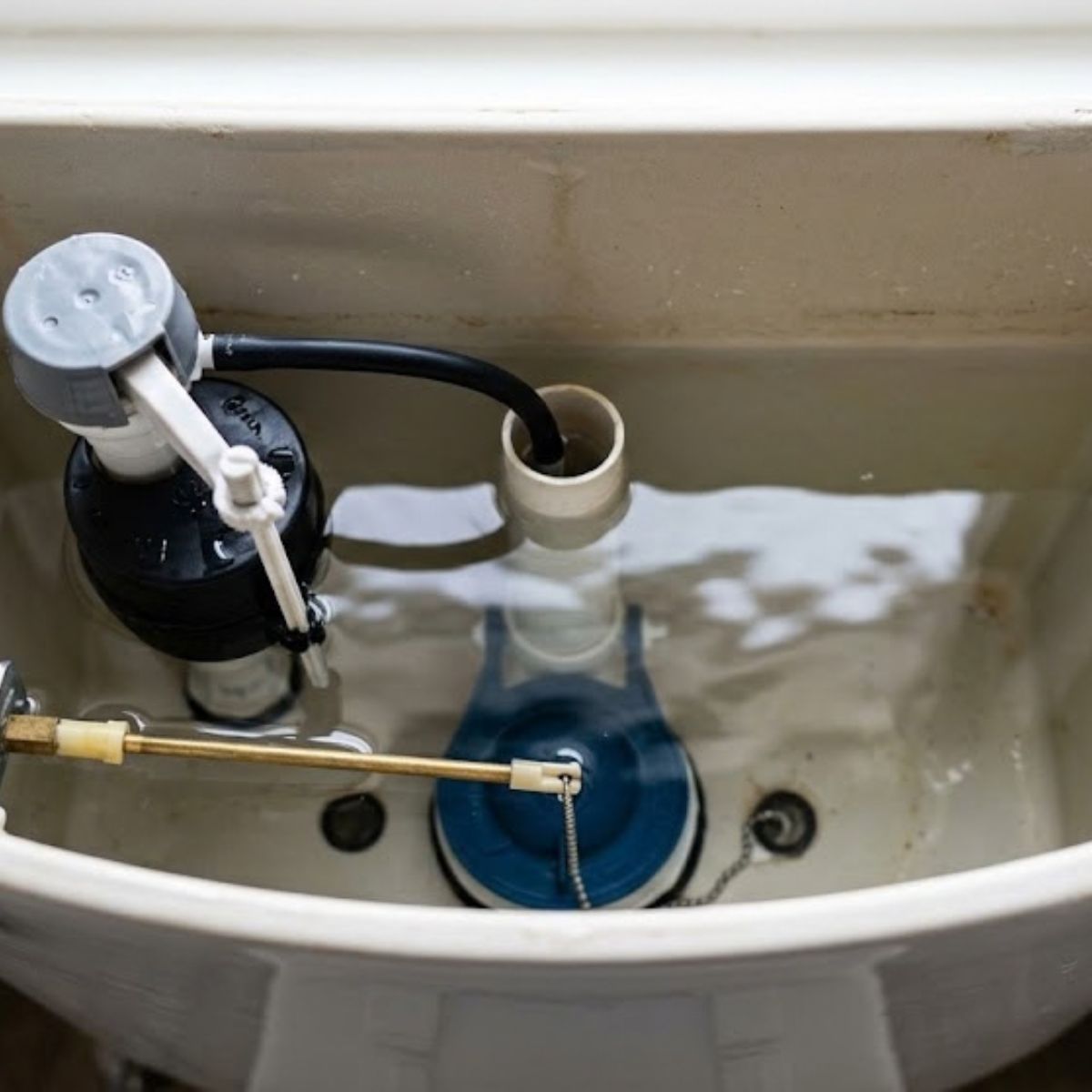
A running toilet is easy to ignore. It doesn't flood anything, it doesn't stop working, and the sound fades into the background after a while. What it does do is waste real, continuous water every single day it goes unfixed, and the cost adds up faster than most homeowners expect.
Why a Running Toilet Wastes So Much
A toilet that runs continuously, rather than just occasionally, is typically caused by a flapper that isn't sealing fully or a fill valve set to overfill the tank into the overflow tube. Either way, water is flowing constantly rather than only during an actual flush, which is a meaningfully different volume than normal use.
A toilet running at a moderate rate can waste a genuinely large volume of water over a full day, and that volume compounds over weeks if it goes unnoticed or gets dismissed as a minor annoyance rather than an active leak.
How to Actually Check
- Listen for the sound directly. A hissing or trickling sound with no one using the toilet is the clearest sign.
- Drop food coloring or a dye tablet into the tank, then wait 15 to 20 minutes without flushing. Color appearing in the bowl means the flapper is leaking.
- Check the water level in the tank against the fill line. Water above the overflow tube means the fill valve is set too high.
- Compare a recent water bill against your typical average. An unexplained jump is worth investigating even without an obvious sound.
Why It's Worth Fixing Promptly, Not Eventually
Beyond the direct water cost, a flapper or fill valve that's failing tends to get worse over time, not better. A minor intermittent run today is a strong candidate to become a continuous run within weeks or months, and the fix itself is usually a quick, inexpensive part replacement rather than a significant repair.
When It's More Than Just the Flapper
If a toilet keeps running again shortly after a flapper or fill valve replacement, the actual cause might be a cracked overflow tube, a warped flapper seat, or in rarer cases a problem with the toilet's flush valve assembly itself. Longmont's documented hard water also accelerates wear on these internal rubber and plastic components faster than it would in a soft-water market, which is worth factoring in if a toilet has needed this repair more than once in a short span.
A Rough Sense of the Numbers
| Leak Severity | What It Sounds Like | General Impact |
|---|---|---|
| Minor, intermittent | Occasional brief hiss after flushing | Modest but real added cost over a billing cycle. |
| Moderate, continuous | Steady trickle audible in a quiet room | Noticeable jump on the water bill. |
| Severe, constant flow | Clearly audible running sound at all times | Significant, hard-to-miss cost increase. |
The Repair Itself, Realistically
Most running toilet repairs involve replacing a flapper, a fill valve, or both, parts that are inexpensive and widely available. The harder part is usually matching the correct part to your specific toilet model, since flapper sizes and fill valve designs vary meaningfully between manufacturers and even between different models from the same one.
A repair visit typically takes well under an hour once the correct parts are on hand. It's one of the more straightforward, predictable plumbing repairs a home can need, which is part of why letting it run for months while meaning to get to it costs more than the fix itself would have.
When Replacement Makes More Sense Than Repair
A toilet that's needed this repair more than once in a short span, or one that's old enough to be a high-flow model from before current water-efficiency standards, is worth evaluating for full replacement rather than continuing to repair the same aging unit. A newer, efficient toilet uses meaningfully less water per flush, which adds a second layer of savings beyond just fixing the leak.
A Note on Longmont's Water Specifically
Documented local water hardness plays a real role in why these internal toilet components fail here more often than they would in a soft-water market. Mineral deposits accumulate on the flapper seal and inside the fill valve mechanism over time, since both parts sit in constant contact with tank water. A toilet that's needed repeated flapper replacements in a relatively short span is showing a pattern worth connecting to that broader local water condition, not just treating each repair as an unrelated coincidence.
This doesn't change the repair itself, but it does mean something worth noticing. A homeowner dealing with recurring toilet issues alongside other hard-water symptoms elsewhere in the house, like water heater scale or fixture buildup, is seeing one underlying cause show up in multiple places rather than several separate, unrelated problems.
Toilet been running longer than you'd like to admit?
Most repairs are quick and affordable, and it stops the waste immediately.
Frequently Asked Questions
Can a running toilet fix itself?
No. The underlying part, usually a flapper or fill valve, has failed and needs to be replaced or adjusted. It won't resolve on its own and typically gets worse.
Is a running toilet ever an emergency?
Not usually, since it's a slow, contained issue rather than active flooding. It's still worth fixing promptly given the ongoing water waste.
Can I replace a flapper myself?
Many homeowners do, since it's a straightforward part to access. Matching the exact flapper type to your specific toilet model is where this most often goes wrong.
Will a running toilet eventually stop working entirely?
It can, if the underlying issue progresses far enough, though most running toilets keep functioning for flushing even while wasting water continuously in the background.
Does a running toilet ever indicate a bigger plumbing problem?
Usually not on its own, but it's worth mentioning to a technician if it's happening alongside other symptoms, like unexplained water pressure changes elsewhere in the home, in case there's a connection worth checking.