
Why Does My Water Heater Keep Failing? A Longmont Guide to Hard Water
If this is your second or third water heater in a decade, the water itself is probably the reason.
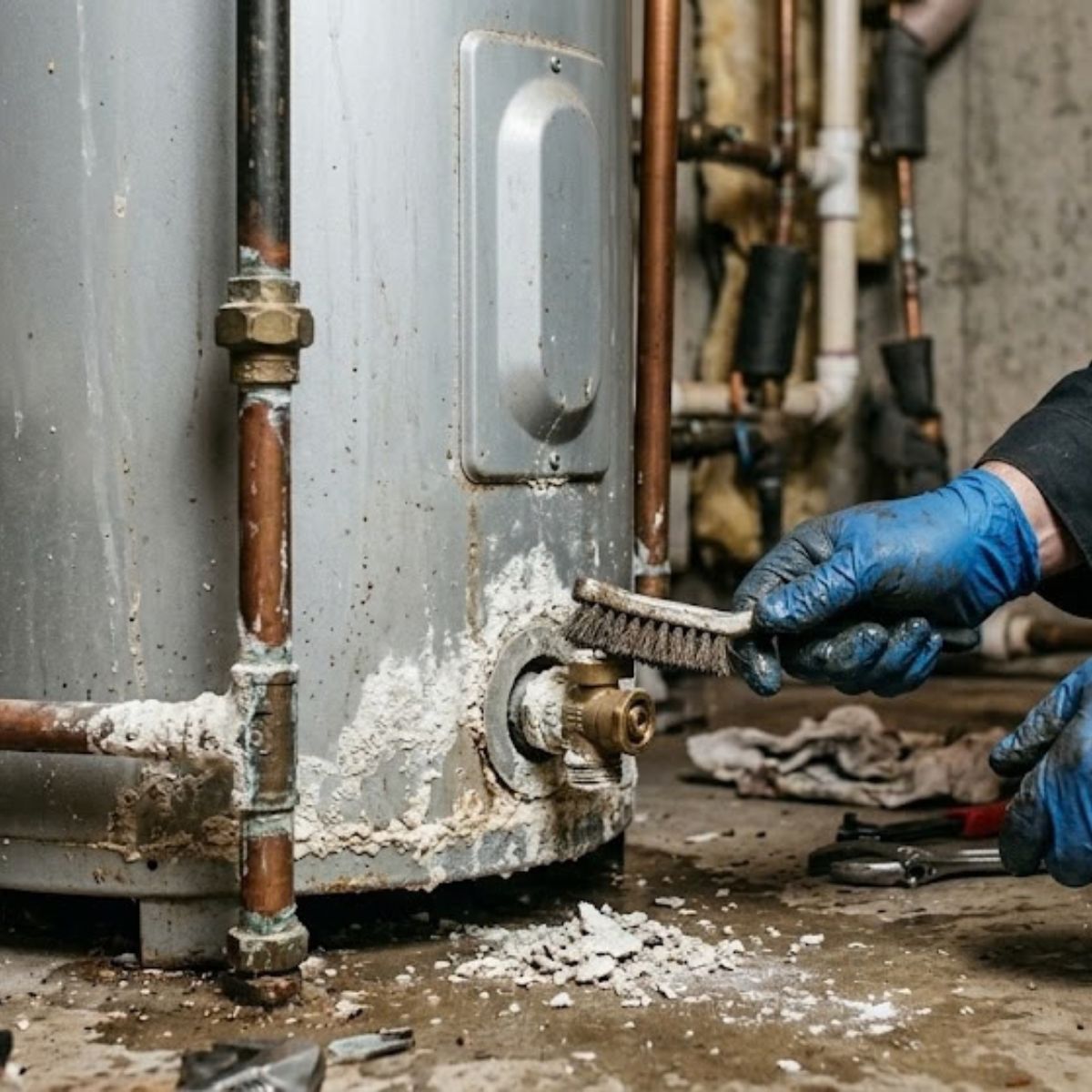
A water heater that dies well before its expected lifespan is one of the most common reasons Longmont homeowners end up looking into what's actually going on with their water. The honest answer, more often than not, is documented Front Range water hardness quietly shortening the life of whatever water heater is installed, tank or tankless.
How Hard Water Actually Kills a Water Heater
Hard water carries dissolved calcium and magnesium. Every time that water is heated, some of those minerals precipitate out of solution and settle as scale on the hottest surface available, which inside a water heater means the heating element or the bottom of the tank itself.
On a standard tank unit, that scale layer acts as insulation between the heating element and the water, forcing the unit to run longer and hotter to reach the same temperature. That's the direct mechanical reason a scaled tank uses more energy and wears out its heating element faster than it would in a soft-water market. It's also the reason for the popping or rumbling sound many homeowners hear as water trapped underneath the sediment layer boils and escapes through it.
On a tankless unit, the effect is more dramatic because there's less internal volume to absorb the scale before it affects performance. The heat exchanger inside a tankless unit has narrow internal passages specifically designed for efficient, fast heating, and those same narrow passages are exactly where scale accumulates fastest.
The Real Numbers on Lifespan
A standard tank water heater is generally rated for somewhere in the 8 to 12 year range under normal conditions. In a genuinely hard-water market without a softener or regular maintenance, that range shifts meaningfully shorter, which is why a Longmont homeowner on their second or third water heater in a decade isn't necessarily doing anything wrong. They're dealing with a real, documented local water condition.
A tankless unit without regular descaling can show real performance problems, inconsistent temperature, reduced flow, in a fraction of that time, sometimes within just a few years of installation if it's never been serviced.
What Actually Slows This Down
There are two real, non-cosmetic fixes here, and they work at different points in the problem.
A Whole-Home Water Softener
A softener removes the calcium and magnesium before the water reaches the water heater at all, addressing the root cause rather than managing the symptom after the fact. This is the option that protects every water-using appliance in the house, not just the water heater specifically, and it's the more effective long-term fix if you're starting from scratch or replacing a failed unit anyway.
Scheduled Descaling
For a tankless unit specifically, an annual descaling flush circulates a descaling solution through the heat exchanger to dissolve accumulated scale before it becomes a performance or reliability problem. This doesn't prevent scale from forming in the first place the way a softener does, but it's a real, effective maintenance step if a softener isn't installed or isn't an option.
For a standard tank, periodic flushing to remove sediment buildup from the bottom of the tank extends its working life similarly, though it's less commonly done as routine maintenance than tankless descaling.
Signs It's Already Happening
- Popping, rumbling, or crackling sounds from the tank while it heats.
- Longer wait times for hot water to reach the tap than when the unit was newer.
- Visible white or chalky mineral deposits around fixture connections.
- A tankless unit's temperature fluctuating during a single shower.
- An energy bill that's crept up with no other explanation.
None of these signs mean the unit needs to be replaced immediately, but they're worth acting on before the unit fails outright, especially if it's approaching or past the upper end of its expected lifespan already.
Does Fuel Type Change Any of This?
Hard water affects gas and electric water heaters through the same basic mechanism, scale insulating the heat source from the water, but the practical symptoms differ slightly. On a gas unit, heavy scale buildup at the bottom of the tank can insulate the burner enough to cause uneven heating and, in more advanced cases, contribute to premature tank failure from localized overheating at the base.
On an electric unit, the heating elements themselves become coated directly, which is the more common failure point. A scaled electric element works harder to reach the same temperature and burns out sooner than a clean one would, which is part of why electric water heater element replacement is one of the more frequent repair calls in a hard-water market like this one.
Neither fuel type is meaningfully more resistant to hard water damage overall. The real variable is whether the water itself is treated before it reaches the unit, not which fuel source is heating it.
One practical difference worth knowing: a gas unit's anode rod, the sacrificial component that corrodes in place of the tank itself, still needs periodic replacement regardless of fuel type. It's often overlooked specifically on gas units since the burner and venting tend to get more attention during routine service.
On your second or third water heater already?
Let's figure out whether a softener, a repair, or a new install actually solves it.
Frequently Asked Questions
Will a water softener completely stop water heater problems?
It significantly slows the scale buildup that causes most of these issues, but it doesn't eliminate normal equipment aging entirely.
Is it worth softening water for just the water heater, or the whole house?
A whole-home softener protects every fixture and appliance, not just the water heater, which is usually the better value over time.
How do I know if my current water heater is already too far gone to save?
A real inspection, checking the tank for rust-through, the anode rod's condition, and the heating element or gas components, gives an honest answer rather than a guess.