
Emergency Boiler Repair in Longmont, CO
Boilers heat a real share of Longmont's older homes through hydronic radiators or baseboard heat, and a failure in the middle of a Front Range winter isn't something to sit on.
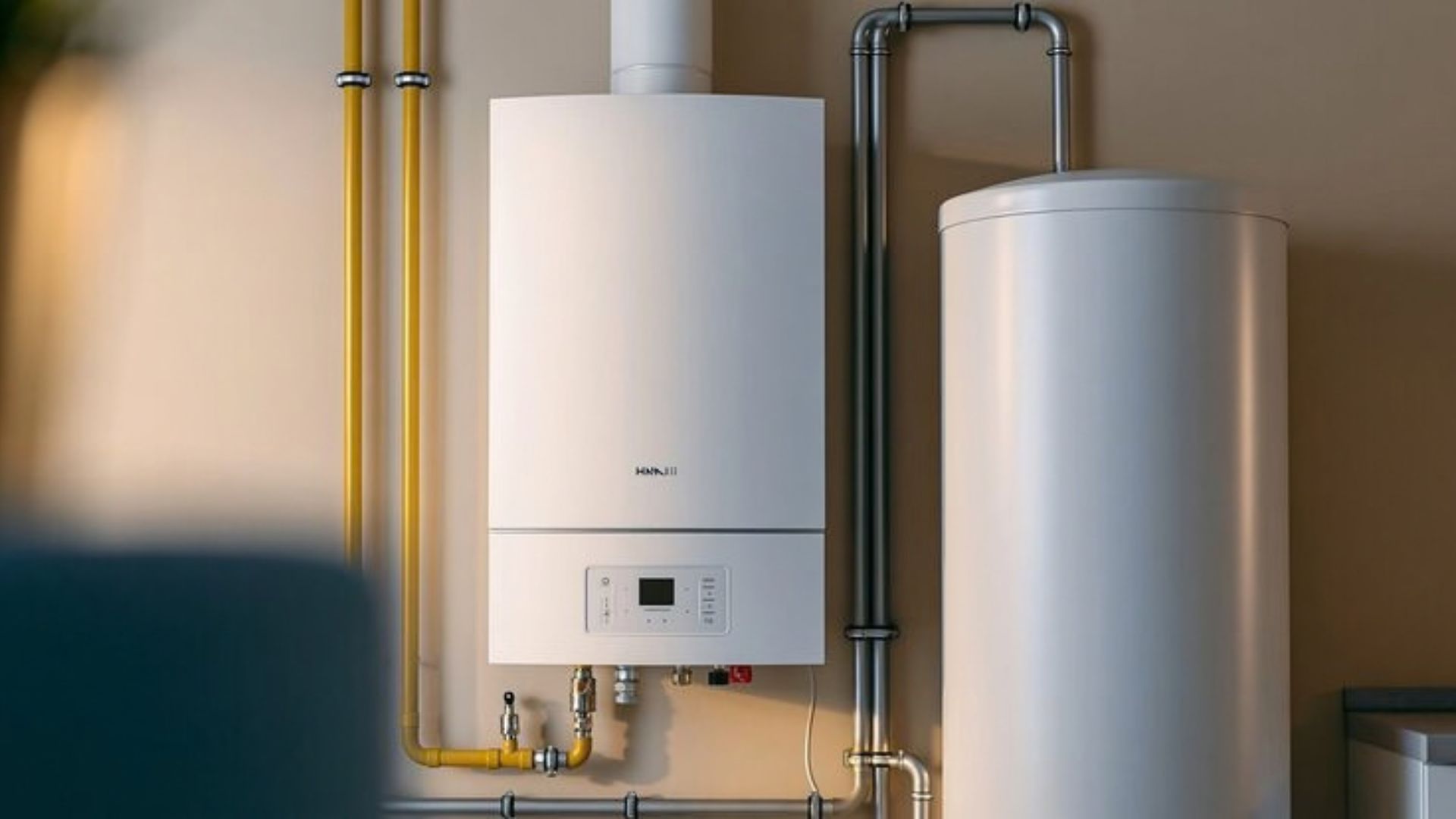
Boiler repair covers gas and electric hydronic heating systems that circulate hot water or steam through radiators or baseboard units instead of blowing warm air through ducts. Longmont's older housing stock includes a real number of homes built with this kind of heat, and a boiler failure in January isn't something to leave for a scheduled appointment.
Most boiler calls fall into a small set of real causes: no heat at all, one or two radiators staying cold while others work, a pressure gauge reading too low or too high, or an active leak somewhere in the system.
Signs Your Boiler Needs Repair
- No heat at all, or heat that's noticeably weaker than it used to be.
- One or more radiators staying cold while the rest of the system works normally.
- The pressure gauge reads well below or above the normal range.
- Banging, gurgling, or kettling sounds from the boiler or pipes.
- Water pooling around the base of the boiler unit.
- The pilot light won't stay lit, or the ignition system repeatedly fails to fire.
Why Boilers Get Real Use in Longmont
Front Range winters put real, sustained demand on any heating system. A boiler that's been coasting through mild fall weather often reveals a developing problem the first hard cold snap of the season, which is why boiler calls cluster heavily from late fall through winter.
A cold radiator while the rest of the system heats normally is usually trapped air rather than a boiler fault itself, and it's a genuinely common complaint in homes with older cast-iron radiators that haven't been bled in a while. It's worth checking before assuming the whole system needs service.
How We Diagnose a Boiler Problem
Diagnosis starts with the pressure gauge and the system's expansion tank, since low pressure is one of the most common reasons for no heat or weak heat. It's often a quick fix once the actual cause of the pressure loss, usually a slow leak somewhere in the system, is found.
For ignition problems, we check the pilot assembly or electronic ignition control, the thermocouple or flame sensor, and gas supply, the same categories of components that fail on a gas water heater but wired into a different system. For circulation problems, the circulator pump itself is tested directly rather than assumed to be the cause.
Repair Options
- Bleed radiatorsThe fix for one or two cold radiators on an otherwise working system, releasing trapped air that's blocking hot water flow.
- Repressurize the systemAddresses low-pressure no-heat complaints once the source of the pressure loss, usually a small leak, is located and fixed.
- Component repairA failed circulator pump, thermocouple, or ignition control can usually be replaced without replacing the boiler itself.
- Full replacementWorth evaluating on an older boiler with a cracked heat exchanger or repeated failures, since a boiler's expected service life eventually makes repair less cost-effective than replacement.
What to Check Before You Call
- If you smell gas anywhere near the boiler, leave the house and call from outside rather than investigating further yourself.
- Check the pressure gauge and note the reading. That single number narrows down the likely cause significantly before a technician arrives.
- If there's no heat during freezing weather, keep a faucet dripping on an exposed line as a temporary precaution against a frozen pipe while you wait for service.
- Don't keep relighting a pilot that won't stay lit. Repeated relighting without knowing why it's failing can mask a gas control or thermocouple problem and isn't a fix.
What Boiler Repair Costs
Boiler repair pricing depends heavily on which system is involved and what's actually failed.
- Fuel typeGas boiler repairs involve combustion and venting checks that electric boiler repairs don't need.
- Part neededA circulator pump or ignition control costs more than bleeding radiators or a simple repressurize.
- System ageAn older boiler may need a part that's harder to source, which can affect both cost and timeline.
- AccessA boiler in a finished basement or a tight mechanical room takes longer to service than one with open access.
Free estimates for non-emergency boiler repair. Call (303) 552-3896 for your real number.
Frequently Asked Questions
Why is one of my radiators cold while the others work?
That's almost always trapped air in that radiator rather than a boiler problem. Bleeding the radiator usually resolves it.
What pressure should my boiler read?
Most residential boilers run correctly in a specific range shown on the gauge itself, typically a low single-digit PSI range when cold. A reading well outside that range on your specific unit is worth having checked.
Is it worth repairing an old boiler or replacing it?
It depends on the specific failure and the unit's age. A single component failure on a boiler with years of service life left is usually worth repairing. Repeated failures or a cracked heat exchanger point toward replacement.
Do you respond to no-heat calls at night or on weekends?
Yes, no-heat calls are treated as emergency dispatch 24/7 in Longmont and the surrounding service area, especially during winter months.