
Septic Tank Pumping in Longmont, CO
Properties outside Longmont's municipal sewer system rely on a septic tank that needs periodic pumping, not just service when something already smells wrong.
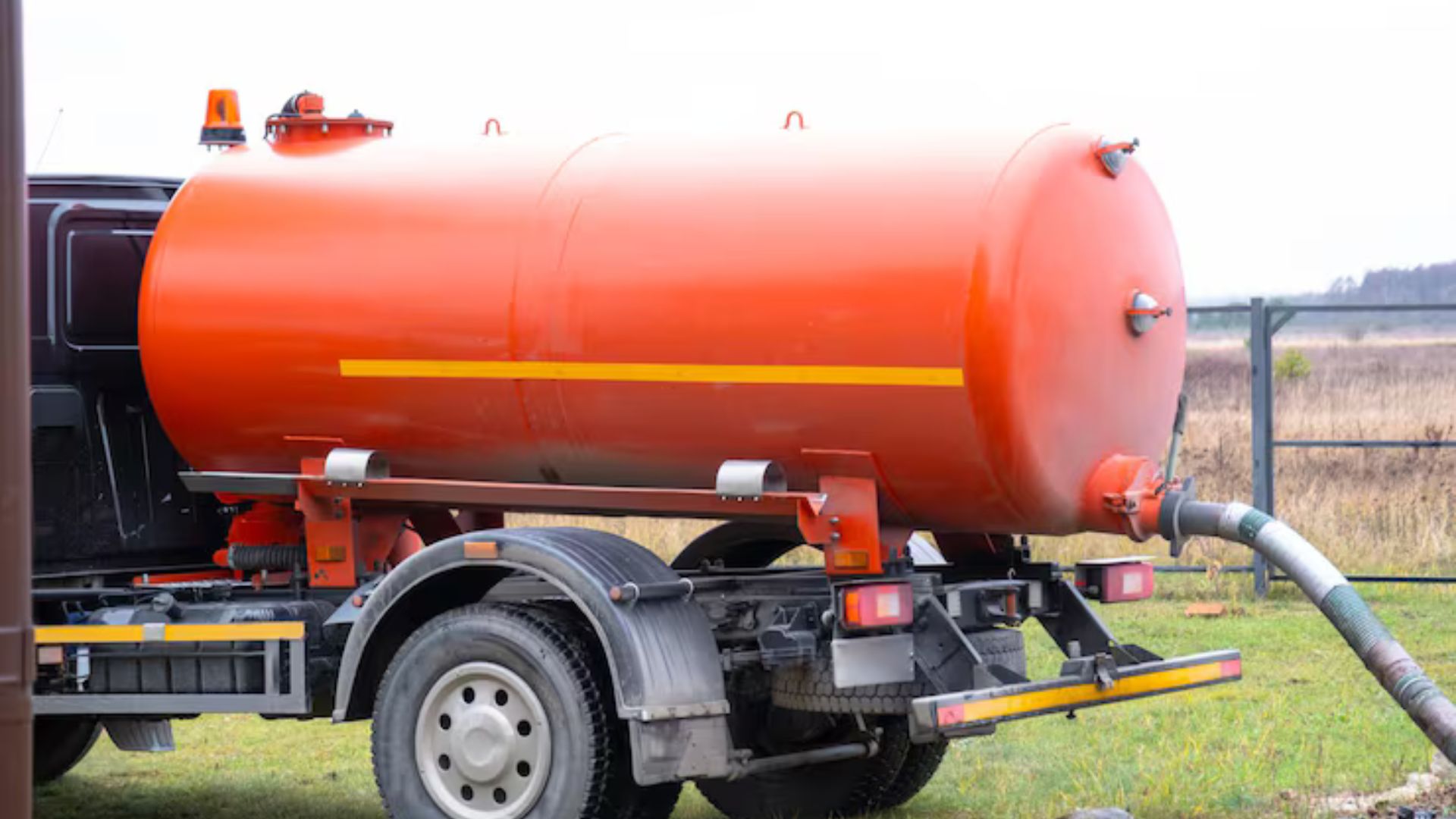
Septic tank pumping covers removing accumulated solids from a septic tank before they overflow into the drain field, along with inspecting the tank's baffles and overall condition while it's open. Properties on the unincorporated edges of the Longmont area, outside municipal sewer service, rely on a septic system that needs this on a real schedule, not just reactively.
Regular pumping is genuinely cheaper than the alternative. A tank that overflows into the drain field can cause damage that costs far more to fix than pumping ever would.
Signs Your Septic Tank Needs Pumping
- Drains throughout the house are slower than usual, especially after heavy water use.
- A sewage odor near the tank, drain field, or inside the house.
- An unusually lush, green patch of grass over the tank or drain field.
- Standing water or soggy ground near the drain field.
- It's been more than 3 to 5 years since the last pumping, which is the general industry guideline for an average household.
Septic Systems in the Longmont Area
Properties in unincorporated parts of Boulder County near Longmont, outside city sewer service, typically rely on an individual septic system rather than a municipal connection, which puts the maintenance schedule entirely on the homeowner rather than a utility.
Household size and water use both affect how often a specific tank actually needs pumping, so the standard 3 to 5 year guideline is a starting point, not a fixed rule for every property.
Soil conditions matter too. A drain field on the area's expansive clay soil drains more slowly than one on sandy soil would, which means an overdue tank has less margin before solids start affecting the drain field's ability to absorb wastewater properly.
How We Inspect and Pump a Septic Tank
The tank's access lid is located and opened to measure the actual solids and scum layer depth, which tells us objectively whether pumping is due now or can reasonably wait, rather than going by the calendar alone.
While the tank is open, the inlet and outlet baffles are inspected for damage, since a failed baffle lets solids escape into the drain field, which is the kind of damage that's far more expensive to fix than routine pumping.
Service Options
- Standard pumpingRemoves accumulated solids and scum from the tank, the routine service most properties need on a multi-year cycle.
- Baffle repairAddresses a damaged inlet or outlet baffle found during inspection, protecting the drain field from solids.
- Full system evaluationWorth doing on a property with an unknown septic history, such as a recent purchase, to establish a real baseline.
What Septic Tank Pumping Costs
Pricing depends mainly on tank size and how much work is needed beyond standard pumping.
- Tank sizeA larger tank costs more to pump than a smaller residential tank.
- AccessA tank with a buried or hard-to-locate lid takes more time to access than one with a visible riser.
- Baffle conditionA damaged baffle found during inspection adds a repair cost beyond the pumping itself.
- Time since last serviceA tank that's gone well past due may need extra time to fully clear.
Free estimates for septic tank pumping and inspection. Call (303) 552-3896 for your real number.
Frequently Asked Questions
How often should a septic tank be pumped?
A commonly cited industry guideline is every 3 to 5 years for an average household, though household size and water use can shift that in either direction.
What happens if I skip pumping for too long?
Solids can overflow into the drain field, which risks damage that's significantly more expensive to fix than routine pumping ever is.
How do I find my septic tank's access point?
If it's not already marked or documented, we can help locate it as part of the service visit.
Do you inspect the tank while pumping it?
Yes, the inlet and outlet baffles are checked for damage while the tank is open.
What should I avoid putting down drains on a septic system?
Grease, wipes even when labeled flushable, and harsh chemical drain cleaners are all worth avoiding on a septic system specifically, since they disrupt the bacterial breakdown the tank relies on and can damage the baffles over time.