
Sump Pump Installation & Repair in Longmont, CO
Spring snowmelt and heavy rain push real groundwater toward Longmont basements. A working sump pump, with a real backup plan for power outages, is what keeps that water outside.
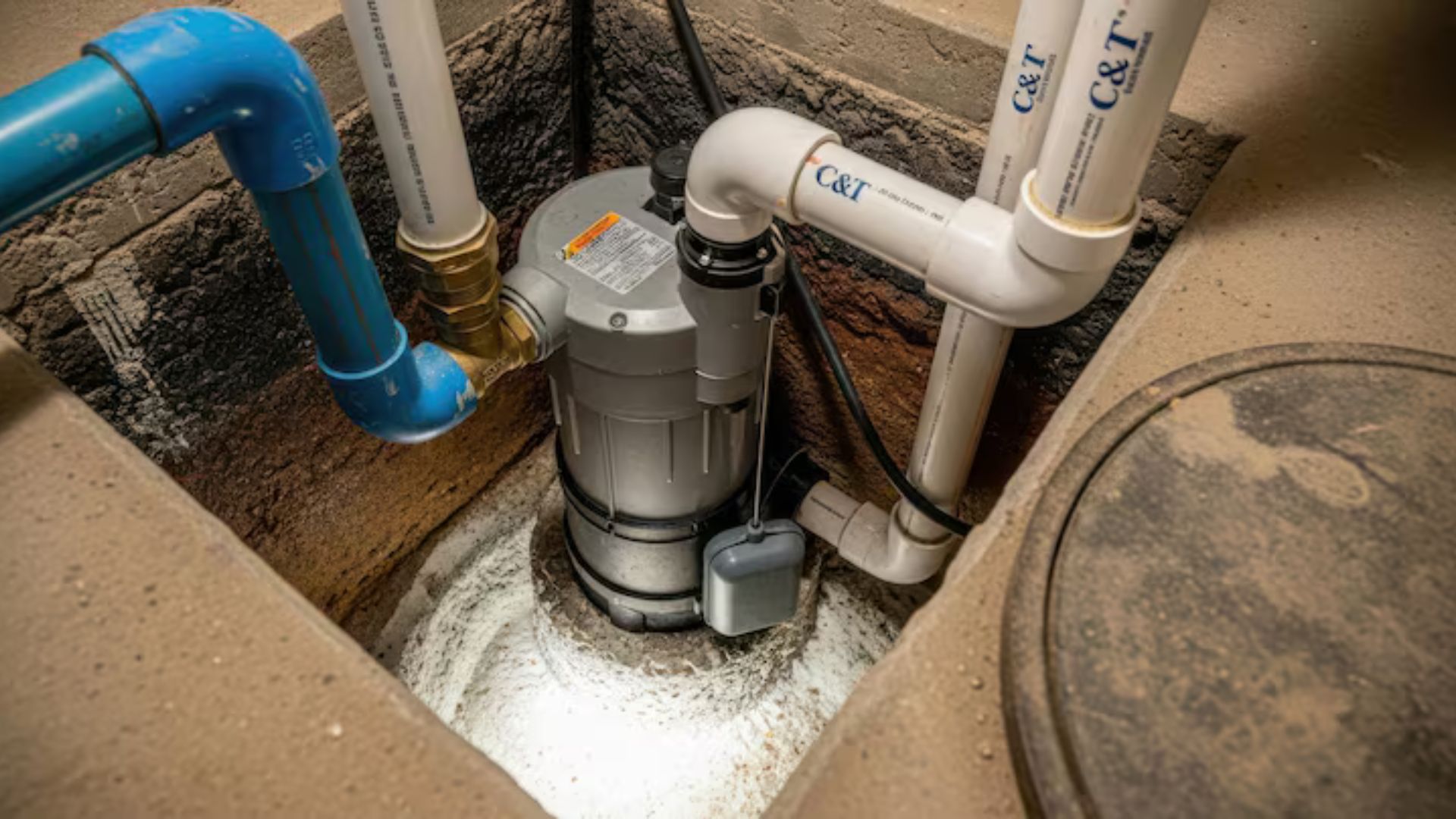
Sump pump installation and repair covers the pump and pit system that collects and ejects groundwater before it can flood a basement or crawlspace. This matters most during spring snowmelt and heavy rain, exactly the conditions when a failed pump does the most damage.
A sump pump that isn't keeping up rarely fails without warning signs. The pit filling faster than the pump can clear it, unusual cycling patterns, or a pump that's gone silent are all real, checkable indicators before water actually reaches the floor.
Basement Getting Damp, or Water Pooling Near the Foundation?
Most homeowners don't start with the words sump pump. They notice a damp basement corner, a musty smell after a rainstorm, or water pooling near the foundation outside. All three point toward groundwater management, and a sump pump system, whether repairing an existing one or installing a first one, is usually the direct fix once the actual water path is confirmed.
Signs Your Sump Pump Needs Attention
- The pump runs constantly instead of cycling on and off as the pit fills.
- The pump doesn't turn on even when water is visibly high in the pit.
- A loud grinding, rattling, or humming sound from the pump.
- Water in the pit rises noticeably during rain but the pump isn't responding.
- The pump is more than 7 to 10 years old and has never been tested or serviced.
Why Sump Pumps Get Real Use in Longmont
Front Range spring snowmelt and seasonal heavy rain raise the groundwater table around Longmont homes with basements, and expansive clay soil drains more slowly than sandy soil would, which means water sits closer to the foundation longer after a storm or a fast melt.
A power outage during exactly the kind of storm that triggers heavy pump use is a real, documented failure point. A pump with no battery backup simply stops working at the moment it's needed most, which is why a backup system is worth real consideration here, not just an upsell.
How We Diagnose a Sump Pump Problem
Diagnosis starts by testing the float switch directly, since a stuck or miscalibrated float is one of the most common reasons a pump doesn't activate even with water present in the pit.
From there, we check the check valve for backflow into the pit after the pump shuts off, test the pump's actual cycling under a simulated fill, and inspect the discharge line for a clog or a frozen outdoor exit point during winter months.
Repair Options
- Float switch replacementFixes a pump that isn't activating despite rising water, usually a quick, affordable repair.
- Check valve replacementStops water from flowing back into the pit after the pump shuts off, which otherwise makes the pump work harder than it should.
- Pump replacementNecessary once the motor itself has failed or the pump is old enough that its capacity no longer matches the home's real water load.
- Battery backup additionKeeps the system running during a power outage, which is exactly when storm-driven groundwater pressure tends to peak.
What to Check Before You Call
- If there's standing water near the pump and any electrical outlets or cords, stay out of the water and shut off power to the area at the breaker rather than reaching in yourself.
- Never touch a submerged pump or its cord while it's still plugged in.
- Move valuables and stored items off the basement floor if water is visibly rising, as a precaution while help is on the way.
- Note whether the pump is running constantly, silent, or making unusual noise. That detail helps narrow down the cause before a technician arrives.
What Sump Pump Service Costs
Pricing depends on whether the fix is a component repair, a full pump swap, or a new installation with a backup system.
- Repair vs. replaceA float switch or check valve repair costs less than replacing the pump itself.
- Pump capacityA larger basement or a known high-water-table property may need a higher-capacity pump.
- Backup systemAdding battery or water-powered backup increases upfront cost but protects against outage-driven failures.
- Pit conditionAn undersized or damaged pit sometimes needs work alongside the pump itself.
Free estimates for sump pump installation and repair. Call (303) 552-3896 for your real number.
Frequently Asked Questions
How often should a sump pump be tested?
A simple test, pouring water into the pit to confirm the pump activates and clears it, is worth doing at least once a year, ideally before spring snowmelt season.
Is a battery backup really necessary?
It's a real, worthwhile consideration in Longmont specifically, since power outages often happen during the same storms that raise groundwater the most.
Why does my sump pump run constantly?
That usually means either a stuck float switch keeping it running, or a genuinely high water table that's overwhelming the pump's capacity.
Do you respond to sump pump failures during a storm?
Yes, active flooding risk is treated as an emergency call 24/7 in Longmont and the surrounding service area.