
New Construction in Frederick and Firestone: Plumbing Issues That Still Show Up
New doesn't mean maintenance-free. Here's what actually comes up in Carbon Valley's newest homes.
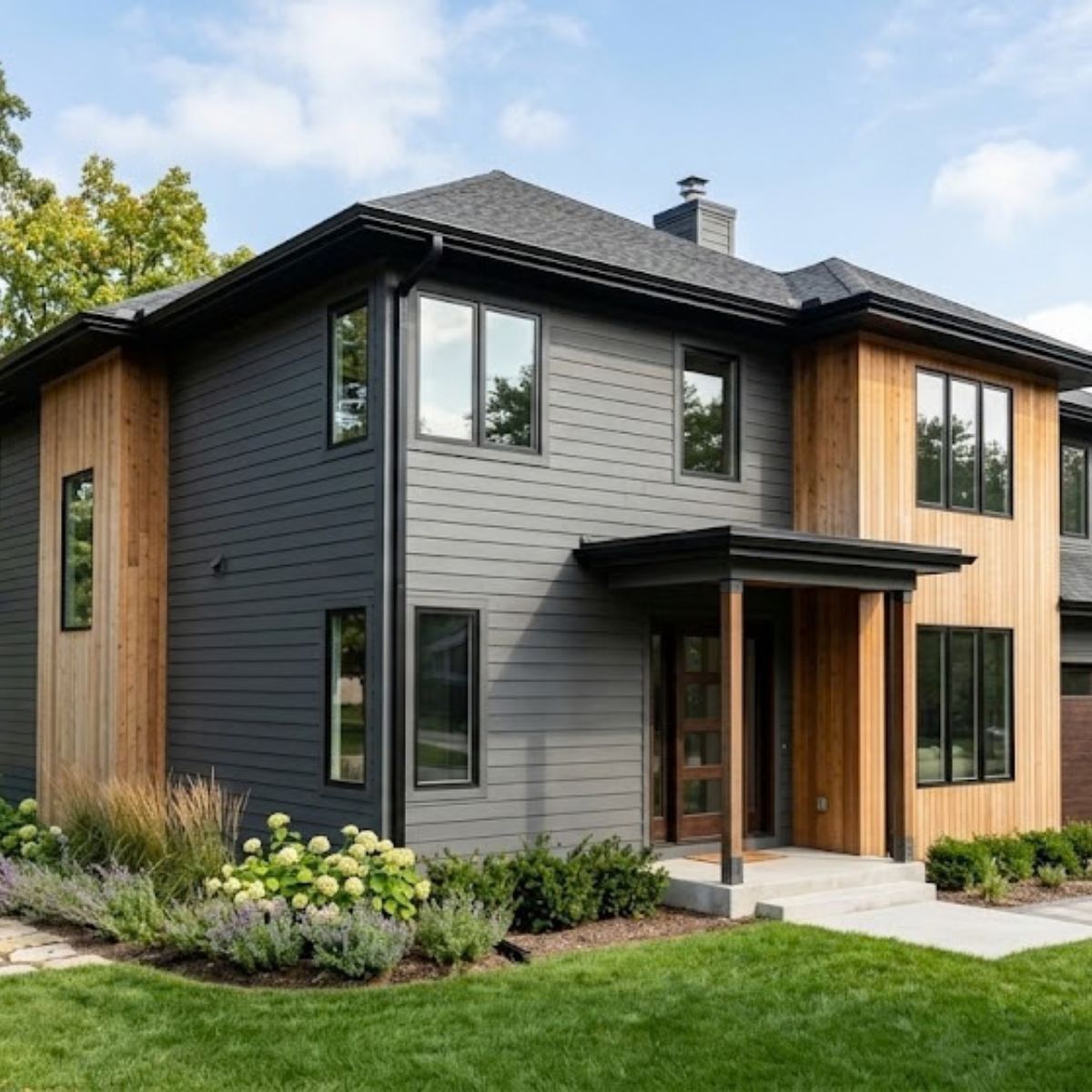
Frederick and Firestone have grown explosively over the past two decades, and most homes in both towns are recent construction. That real fact leads a lot of new homeowners to assume their plumbing is essentially maintenance-free for the foreseeable future. Some of that assumption holds up. Some of it genuinely doesn't.
What Newer Construction Actually Solves
New construction eliminates the galvanized pipe corrosion problem entirely, since these homes were built with copper or PEX from the start. It also generally means correctly sized modern fixtures and a plumbing system installed to current code, both real, meaningful advantages over an older home.
What It Doesn't Solve
Documented Front Range water hardness affects a 2020-built home exactly the same way it affects a 1970s home. Scale buildup in a water heater, fixtures, and appliances doesn't check the construction date before it starts accumulating.
New-construction basements are also common in both towns, and a basement is a basement regardless of when it was poured. Spring snowmelt raises groundwater across the wider area the same way it does in Longmont, which makes sump pump readiness a genuinely relevant concern here too, not just in older neighborhoods.
Issues Specific to Rapid Growth
- Builder-grade fixtures installed to meet a price point rather than for long-term durability, which can show wear or fail earlier than a mid-range or premium fixture would.
- New subdivisions still under active development nearby, where ongoing construction can occasionally affect water pressure or cause temporary service interruptions.
- A home built quickly during a high-demand period, where inspection thoroughness can vary, making a professional check of key connections worthwhile even on a newer property.
- Landscaping installed after the home, including irrigation systems, which introduces the real cross-connection and backflow testing requirement many new homeowners don't know applies to them.
The Warranty Question
Many new homes come with a builder's warranty covering certain systems for a limited period. It's worth understanding exactly what that warranty covers before assuming a plumbing issue is automatically the builder's responsibility. Some warranties cover installation defects specifically but not normal wear, water quality effects, or issues from fixtures the homeowner added after closing.
What This Means Practically
A new home in Frederick or Firestone doesn't need the same watchfulness for pipe corrosion that an older Longmont home does. It does still benefit from the same water-hardness-driven maintenance: a water softener or a tankless descaling schedule, a working, tested sump pump if the home has a basement, and a real backflow assembly if an irrigation system is part of the landscaping.
How This Compares to Longmont's Own Newer Subdivisions
Longmont itself has newer subdivisions built out through the decades since its historic downtown core was established. Those areas face essentially the same profile as Frederick and Firestone: modern pipe material, but the same real exposure to documented Front Range water hardness and winter freeze risk. The Carbon Valley towns are simply a larger share of the same pattern, since so much of their housing stock falls into that newer category.
This matters practically because it means a homeowner moving from an older Longmont neighborhood to a new build in Frederick shouldn't assume they've left plumbing maintenance behind entirely. They've traded one set of priorities for a different, narrower one.
A Realistic First-Year Checklist for a New Home
- Confirm whether a water softener was included in the build, and if not, get one installed early rather than waiting for scale symptoms.
- Locate the main water shutoff valve and test that you can access and operate it, the same as you would in any home regardless of age.
- If the home has an irrigation system, confirm a backflow assembly is installed and understand the annual testing requirement that comes with it.
- Test any sump pump before the first spring snowmelt season, even though the pump itself is new.
- Keep documentation from the builder on what warranty coverage actually applies, and for how long, so you know what to expect if an issue comes up.
Talking to Neighbors Isn't a Substitute for Your Own Records
In a fast-growing subdivision, it's tempting to assume every home was built the same way and will develop the same issues on the same timeline. Builder-grade fixture quality, installation care, and even minor variations in materials used across a large development can mean two nearly identical homes on the same street age differently. Your own home's documented history and any actual issues you've experienced are a more reliable guide than a neighbor's anecdote.
New build, but something's already come up?
We service new construction the same as any home, honestly and without assuming it's automatically the builder's problem.
Frequently Asked Questions
Is it normal for a new home to have plumbing issues at all?
Some issues, particularly builder-grade fixture wear or water-hardness effects, are genuinely normal even on a well-built new home. A recurring or major issue is worth investigating rather than assuming it's expected.
Should I get a water softener installed right when I move in?
It's a reasonable proactive step given documented local water hardness, rather than waiting for a water heater or fixture to show damage first.
Does my new home need a sump pump if it doesn't have one already?
It depends on the specific lot's grading and water table proximity, which is worth an honest, property-specific assessment rather than a blanket answer.
How is Carbon Valley different from other new-growth areas along the Front Range?
The underlying pattern, documented water hardness affecting new and old homes equally, applies broadly across the Front Range. Carbon Valley's specific growth rate is simply faster than most, which concentrates more new construction into a shorter span of years.
Is it worth getting a home warranty separate from the builder's warranty?
It can be, particularly once the builder's coverage period ends, since it provides ongoing protection for major systems including plumbing beyond the initial warranty window.