
What a Sewer Camera Inspection Shows Before You Buy an Older Longmont Home
A standard home inspection doesn't see inside the sewer line. Here's why that gap matters on an older Longmont property.
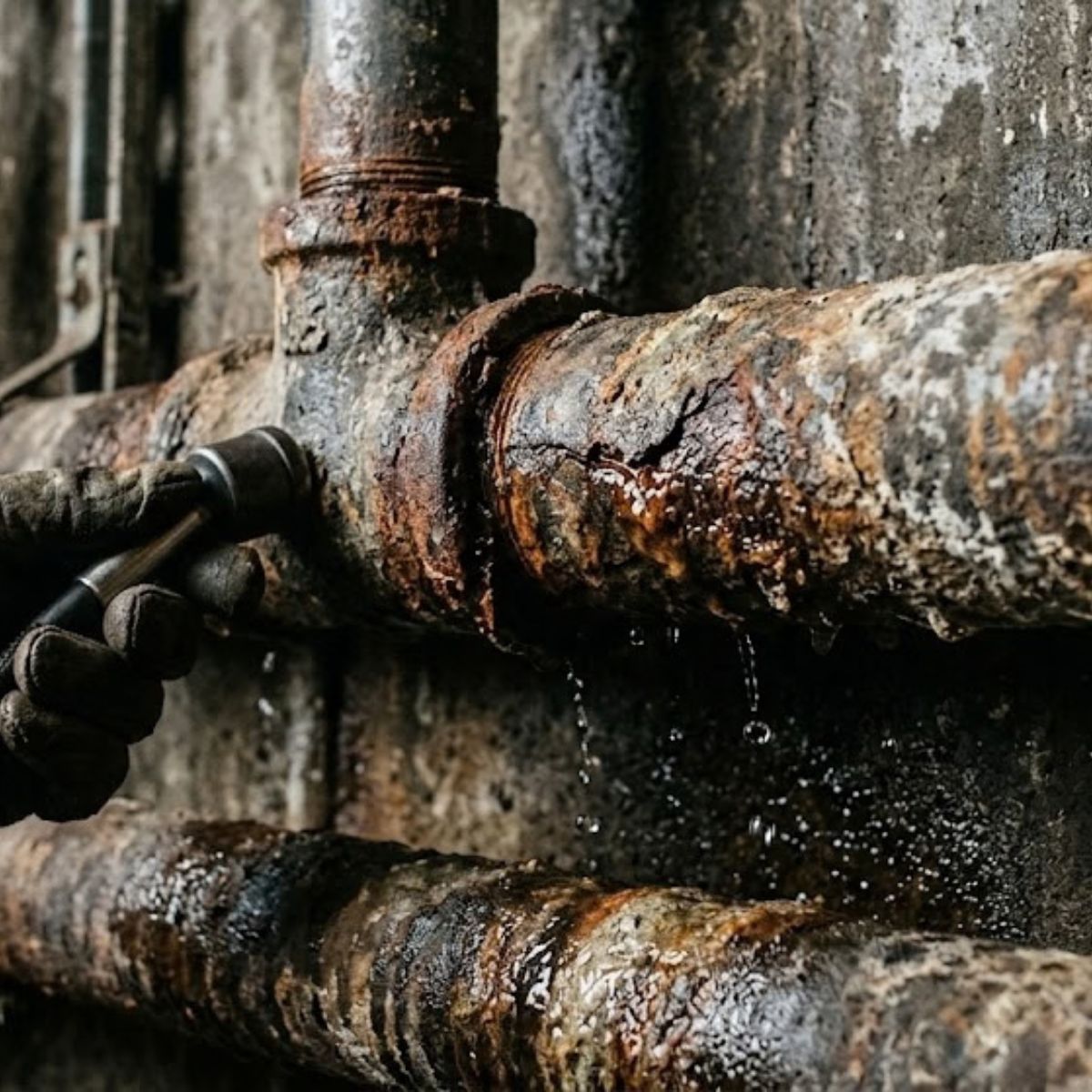
A standard home inspection covers the visible and accessible parts of a house thoroughly, but it typically doesn't include running a camera through the sewer line. That's a real gap on an older Longmont property, since the sewer line's actual condition is one of the more expensive things a buyer can be surprised by after closing.
Why This Gap Matters More on Older Homes
Longmont's older, closer-in neighborhoods have real housing stock old enough to still run on original clay or cast iron sewer lines. Both materials were standard decades ago and can perform fine for a long time, but they degrade in ways that aren't visible from the surface and aren't predictable just from a home's outward age or condition.
A home that looks well-maintained inside and out can still have significant root intrusion or a cracked section in its sewer line, and a home with dated finishes can have a perfectly sound line. The only way to actually know is to look.
What the Inspection Actually Shows
A waterproof camera on a flexible cable is run through the line from an existing access point, recording the interior condition in real time. This shows, directly rather than inferentially, whether the line has root intrusion, cracks, bellied or sagging sections, or a fully collapsed segment. A built-in locator also marks the exact position of any damage found, which matters for both a repair estimate and simply understanding where the line actually runs on the property.
How to Use the Findings in a Real Estate Transaction
- A clean inspection is useful documentation on its own, giving you a real, dated baseline for the line's condition at the time of purchase.
- A finding of isolated, minor damage is worth factoring into negotiations, either as a repair credit or a price adjustment, since it's a known, quantifiable cost rather than a surprise later.
- A finding of extensive damage or a need for full replacement is a genuinely material fact worth discussing seriously with your realtor and possibly renegotiating around, since replacement is one of the more expensive plumbing projects a home can need.
- Either way, having the actual footage and a written summary gives you something concrete to act on, rather than a vague sense that something might be wrong.
Timing It Right
The ideal window is during your inspection contingency period, before you're locked into the purchase without recourse. A standalone camera inspection is typically completed within a single visit, which usually fits comfortably within a standard inspection timeline.
It's also worth doing even if the seller's disclosure doesn't mention any sewer issues. A seller who's never had a backup or a visible problem may genuinely not know their line has root intrusion building up slowly, since it's not the kind of thing that announces itself until it becomes a real backup.
What This Isn't a Substitute For
A camera inspection tells you about the sewer line's structural and flow condition. It doesn't test water quality, check the water supply lines for corrosion, or evaluate other plumbing systems in the house. If you're also concerned about an older home's supply lines specifically, that's worth raising as a separate question during the same visit, since it's a related but distinct concern from the sewer line itself.
What If the Seller Already Has an Inspection Report?
Some sellers, especially those aware their home is older, proactively get a sewer camera inspection done before listing and include the report in disclosures. That's a genuinely useful starting point, but it's worth checking the date. A report from three or four years ago doesn't necessarily reflect current conditions, particularly if the original finding noted early-stage root intrusion that's had years to progress since.
If the existing report is recent and shows a clean line, that's real, useful documentation you can reasonably rely on. If it's older, or if it noted any issue at all, a fresh inspection during your own contingency period is worth the modest cost for current, verified information rather than relying on a dated report.
How This Differs From What Your Home Inspector Checks
A general home inspector examines the visible plumbing fixtures, checks for functional water flow at faucets, and looks for visible leaks or water damage in accessible areas. That's valuable, but it's a fundamentally different scope than a sewer camera inspection, which looks at a system that's entirely underground and inaccessible during a standard walkthrough.
Most standard home inspection contracts explicitly exclude sewer line evaluation, which means it's genuinely on the buyer to request it as a separate, add-on service if they want that information before closing. It's not an oversight on the general inspector's part; it's simply outside the standard scope of that inspection.
Some inspection companies do offer camera inspection as an add-on to their standard service, which can be convenient for scheduling, though it's worth confirming the person actually running the camera has real experience interpreting sewer line footage specifically, not just general home inspection experience.
Under contract on an older Longmont home?
A standalone camera inspection fits most inspection timelines and gives you real answers before closing.
Frequently Asked Questions
Should I request this even if the seller says there are no known issues?
Yes. A seller genuinely may not know about developing root intrusion or minor cracking, since it often doesn't cause a noticeable problem until it's more advanced.
How much does a pre-purchase camera inspection typically cost relative to what it can save?
It's a small cost relative to the price of discovering a major sewer line problem after closing, when you no longer have negotiating leverage.
Can I be present during the inspection?
Yes, and it's worth attending if your schedule allows, since seeing the footage directly and asking questions in real time is more useful than a written summary alone.