
Do You Need a Sump Pump in Longmont? Spring Snowmelt, Honestly Assessed
Not every basement needs one. Here's how to actually tell.
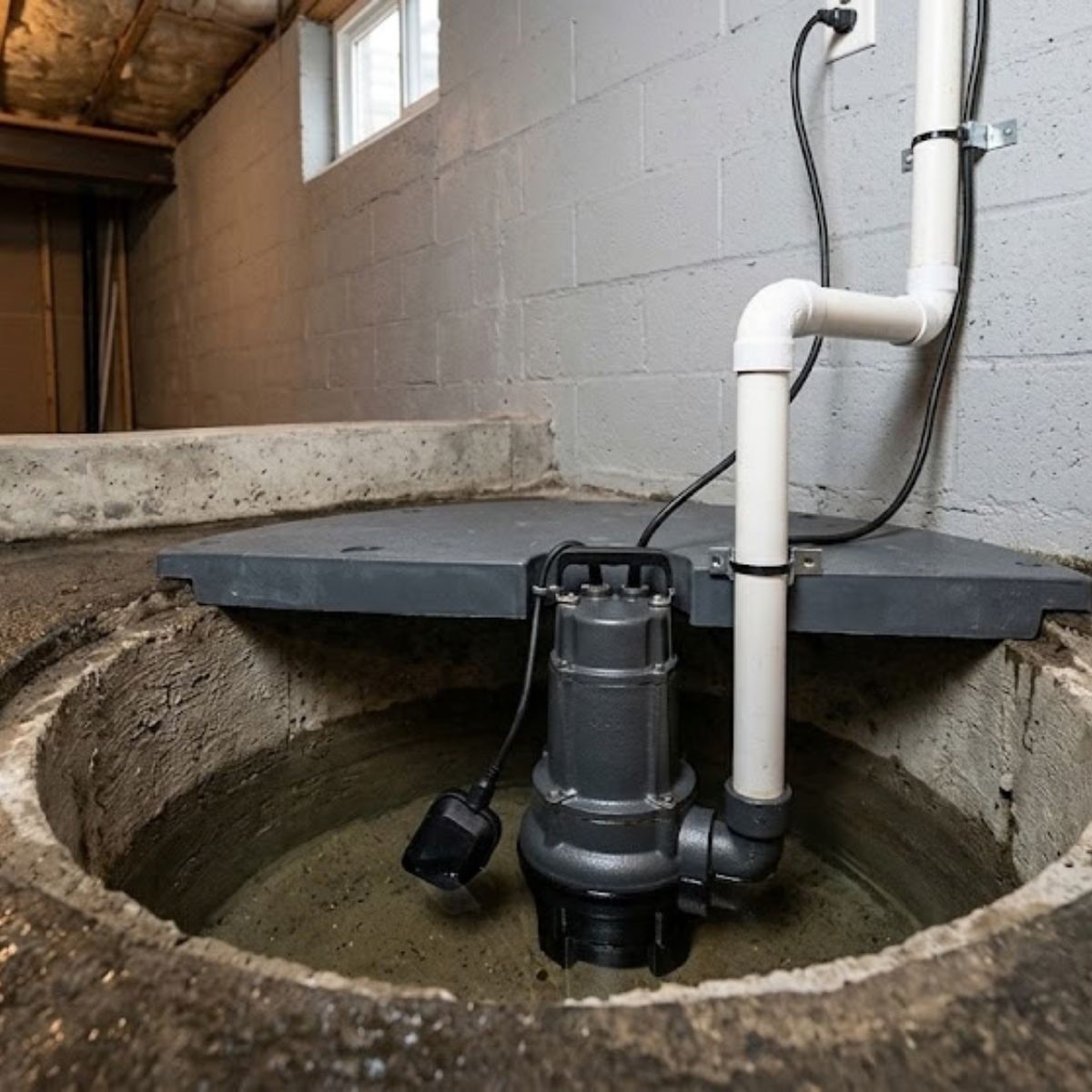
Spring snowmelt across the Front Range raises groundwater levels in a real, predictable way every year, and a fair number of Longmont homeowners with basements end up asking whether they actually need a sump pump or whether it's an unnecessary expense. The honest answer depends on real, checkable factors about your specific property, not a blanket yes or no.
What Actually Raises the Risk
- A basement or crawlspace below the local water table, or close enough to it that spring snowmelt regularly raises groundwater into range.
- Clay-heavy soil, common across the Front Range, which drains more slowly than sandy soil and holds moisture near the foundation longer after melt or heavy rain.
- A history of dampness, musty smell, or visible moisture in the basement during past spring seasons, even without a full flood.
- Grading around the house that directs water toward the foundation rather than away from it.
- A finished basement, where the cost of water damage is meaningfully higher than in an unfinished space used only for storage.
If two or more of these genuinely apply to your property, a sump pump is a reasonable, proactive investment rather than an unnecessary one.
What Doesn't Automatically Mean You Need One
A basement with no history of dampness, good grading, and a foundation well above the local water table doesn't necessarily need a sump pump just because it's technically possible for groundwater to rise somewhere in the area. Installing one everywhere as a blanket precaution isn't a bad idea, but it's also not strictly necessary for every property.
If You Already Have One: Is It Actually Working?
A sump pump that's never been tested is a real risk in itself, since the first time you find out it's not working is usually during the exact storm or snowmelt event when you needed it most. A simple test, pouring water into the pit until the pump activates and clears it, takes a few minutes and is worth doing before the season actually starts, not during it.
The Power Outage Problem
A sump pump with no backup power source has a real, documented failure pattern. It stops working exactly when a storm knocks out power, which is often the same storm driving the groundwater rise that made the pump necessary in the first place. A battery or water-powered backup system addresses this specific gap, and it's worth genuine consideration for any Longmont property where a sump pump is already doing real work.
A Simple Decision Path
| Situation | Reasonable Next Step |
|---|---|
| No basement history of dampness, good grading | Monitor; not urgent. |
| Occasional dampness, no active flooding | Consider installation proactively. |
| History of water intrusion during snowmelt | Install if you don't have one; test if you do. |
| Existing pump, never tested | Test now, before the season starts. |
| Existing pump, no battery backup | Add backup power, given real outage risk during storms. |
What Installation Actually Involves
A new sump pump installation starts with confirming or creating a proper pit at the lowest point of the basement floor, sized to hold enough water to let the pump cycle normally rather than running continuously. The discharge line then needs to route water well away from the foundation, since a discharge point too close to the house just recirculates the same water back toward the problem it was meant to solve.
For a home without an existing pit, cutting into the basement floor is a real part of the project, not an afterthought, and it's worth confirming that scope upfront rather than being surprised by it partway through.
Combining This With Other Basement Concerns
A sump pump addresses groundwater rising from below. It doesn't address a separate leak in a supply line or fixture within the basement itself. That's worth mentioning distinctly if you're dealing with both an intermittent groundwater concern and an unrelated plumbing leak, since they call for different diagnostic approaches even though both show up as water in the same room.
Not sure if your basement's real risk level justifies a pump?
We'll give you an honest assessment based on your actual property, not a blanket recommendation.
Frequently Asked Questions
How much water intrusion is normal versus a real problem?
Any recurring dampness beyond a one-time, clearly explained event, like a single unusually heavy storm, is worth taking seriously rather than dismissing as normal.
Can I install a sump pump myself?
Some homeowners do, but correct pit sizing, discharge routing away from the foundation, and proper electrical setup are all real factors worth getting right the first time.
How often should an existing sump pump be tested?
At least once a year, ideally before spring snowmelt season, and again after any period of disuse.
Does a sump pump run constantly, or just occasionally?
A properly functioning pump cycles on and off as the pit fills and empties. Constant running usually means either a genuinely high water table or a problem with the float switch worth having checked.
How loud should a sump pump be during normal operation?
A brief motor hum during cycling is normal. Grinding, rattling, or a sudden change in the sound it makes is worth having checked rather than ignored.
Should a sump pump discharge line be insulated?
In an unheated area, yes, since a discharge line that freezes stops the pump from clearing the pit even if the pump itself is working fine.
Does a finished basement change what kind of pump I should install?
It's worth prioritizing a battery backup system in that case specifically, since a finished space has more to lose from even a short pump failure than an unfinished storage area would.
Is a backup pump the same thing as a second primary pump?
Not quite. A backup system typically runs on battery or water pressure specifically to keep working during a power outage, while a true second primary pump adds redundancy for a very high-risk property.